
Building an Outfit With Righteous Clothing When Temperatures Drop
You don’t have to sacrifice style just because the weather has cooled, and that definitely doesn’t mean resurrecting the same shapeless coat you’ve leaned on for five winters straight. Layering is a skill, and once you understand how material weight, cut, and how something fits combine, you can build outfits that look intentional rather than accidental. Here we break down real-world approaches to layering using Righteous apparel, with focus on what really holds in heat versus what only appears warm. If you’re on the hunt for a thorough review of Righteous before investing in a cold-weather wardrobe, consider this a real-condition analysis of how the pieces perform in everyday use, not just in a photo.
Layering well is about temperature regulation, not just adding more layers of cloth. Three thinner layers almost always outperform one thick layer because they trap pockets of air that your natural warmth raises the temperature of. This is simple physics, and it’s why both hikers and everyday commuters rely on the same three-part system: a base layer, a mid layer, and an outer layer. We Are Righteous builds pieces that fit neatly into each of these categories, which streamlines the process to mix and match without guessing what goes with what.
Begin With Your Base Layer
The base layer lies next to your skin and has a single purpose: moisture management. If this layer keeps sweat against your skin instead of moving it away from your body, the rest of your layers lose their effectiveness, and you’ll feel cold and sticky within about an hour outdoors. A snugly cut tee or long-sleeve from the Righteous clothing lineup works well here because a fit that’s close without being restrictive minimizes the space between skin and fabric, which accelerates heat retention.
Cotton offers comfort, but it holds onto moisture once it’s wet, so if you’re preparing for genuinely cold conditions rather than mild autumn afternoons, be mindful of garment weight and how the fabric is listed in the righteous mens tee product details. A heavier jersey knit will trap more heat than a light-weight shirt, even if both are the identical cut. This is a case where the details matter more than the picture.
Fit also affects how the next layer rests over it. A base layer that’s too loose will crease unevenly under a mid layer, creating uneven pinch points and inconsistent warmth. Go with something fitted close through the torso and arms, with space enough to move freely without restriction. A difference of six or seven degrees of temperature difference can entirely alter which base layer weight makes sense, so don’t presume one tee works for every cool-weather scenario between September and January.
Add a Mid Layer for Insulation
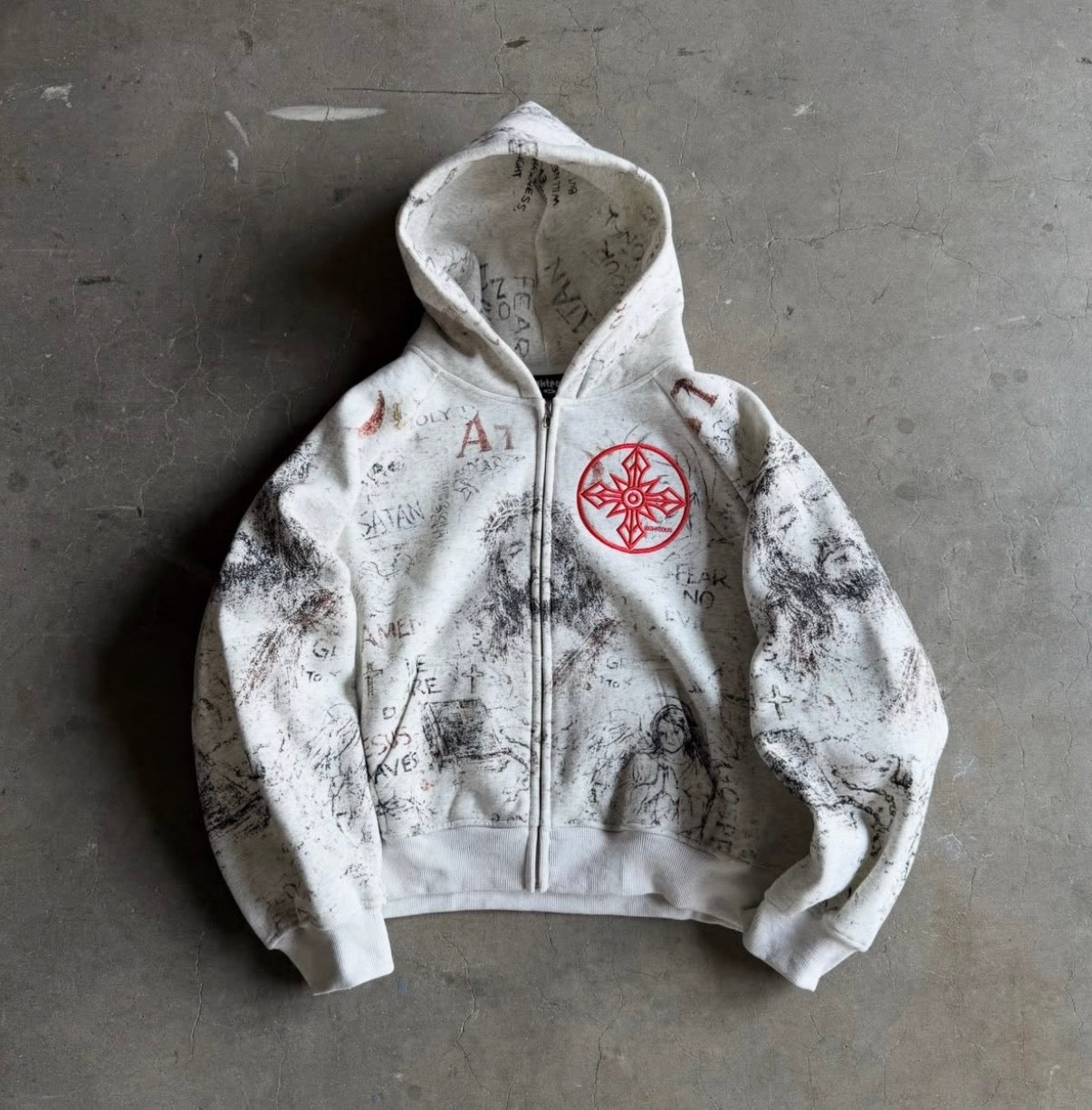
Here is where the virtuous hoodie secures its position in the rotation. A hoodie operates as the heat-retaining layer, trapping warm air close to the body while still permitting enough airflow that you don’t overheat right when you walk indoors. The hood component adds a useful bonus: wrapping the head and neck cuts down warmth loss considerably, since a excessive amount of warmth escapes through areas that remain exposed.
In selecting a hoodie for layering purposes, the fit is important just as much as it does for the base layer, but in the inverse direction. You want enough room to comfortably layer a tee beneath it without feeling restricted, but not so much extra fabric that it becomes bunchy under a jacket. A slightly relaxed cut through the body and shoulders, with close cuffs, tends to perform best when layered because it seals in warmth at the wrists without adding bulk elsewhere.
Full-zip versions offer more thermal control than pullover styles because you can fine-tune airflow without fully removing the layer, which is handy during transitional weather when mornings are chilly but afternoons heat up quite a bit. Pullover styles, on the other hand, tend to provide slightly better warmth retention since there’s no zipper seam allowing drafts. Neither option truly wins out; it depends on whether you’re gearing up for a fixed daily commute or a day with shifting temperatures.
A lot of people looking into we are righteous review threads often ask about hoodie warmth-to-weight ratio, and the straightforward answer is that it comes down to what you’re wearing underneath and over it. A hoodie is a mid layer, not a self-sufficient answer to cold weather, and using it that way is the number one layering error people make once the cold sets in below the point where a lone sweatshirt is sufficient.
Round It Out With an Outer Shell
What the outer layer does is to shield against moisture and wind while letting the layers beneath do the work of insulating. This is where many people spend too much or plan too little, picking up a bulky coat that’s excessive for 50-degree weather or a lightweight jacket that does nothing once the wind starts blowing. Aligning your outer layer to actual conditions, rather than the year’s coldest day, preserves your layering system versatile.
For most chilly days, a medium-weight jacket layered over a Righteous hoodie and base tee covers a broad span of temperatures without demanding a change of clothes every time the forecast moves by a few degrees. The key is selecting an outer layer spacious enough to fit the hoodie underneath without compressing it, since squeezed insulation works less well. Compression expels the pockets of air that were doing the actual work of keeping you warm.
Give consideration to both length and width. A jacket that hits right at the hip complements a longer hoodie underneath, since the extra coverage prevents cold air from seeping in at the waistline. Small as it sounds, this detail makes a real difference—just ask someone who’s experienced that chilly gap creeping across their lower back on a windy afternoon.
A Side-by-Side Look at Layer Functions
When you compare what each layer does side by side, it becomes easier to make informed choices rather than shop blindly. The table below outlines what each layer is responsible for and what to prioritize when picking garments from a Righteous apparel collection or assembling a layering system generally.
| Layer | Core Role | Fit Priority | Example Piece |
|---|---|---|---|
| Base Layer | Moisture management, initial warmth | Tight-fitting, worn close to the body | Righteous long-sleeve or tee |
| Mid Layer | Providing insulation and preserving body heat | Loose through the torso with snug cuffs | Righteous hoodie |
| Outer Layer | Blocking wind and repelling moisture | Loose enough to fit over the mid layer | Jacket, mid-weight |
Notice that each layer has a distinct job, and none of them can fully substitute for another. Skipping the base layer and go directly from skin to hoodie, you lose the sweat control that maintains comfort while active. When it’s blustery out, skipping the outer layer means sacrificing the bulk of the warmth you’ve built up underneath, since wind strips away heat much more quickly than still air does.
Practical Combinations for Real Temperatures
Specific pairings help more than general advice, so here’s how layering typically breaks down across a cool-weather range using the Righteous clothing brand lineup as the framework. Think of these as flexible guidelines rather than strict rules—a reasonable baseline rooted in real layer performance.
- 55-65°F: One Righteous tee is typically sufficient during the day, with a hoodie ready to go for evening cool-downs.
- 45-55°F: Pairing a base tee with a hoodie handles most conditions, with no need for an outer shell, especially on low-wind days.
- 35-45°F: A full three-layer system turns necessary, especially if you’re outdoors for more than 30 minutes continuously.
- Below 35°F: Since the hoodie mid layer alone can’t hold sufficient warmth, look into a thicker base layer option alongside an insulated outer layer.
Such ranges change depending on wind, moisture, and personal cold tolerance, so treat them as a guideline rather than a fixed formula. Someone who runs cold might raise every threshold up by five to ten degrees, and this is a sensible adjustment to consider based on experience rather than guesswork.
Frequent Layering Errors to Watch For
Owning suitable pieces won’t save you; when careless layering habits can sabotage the whole setup. Easily the most typical mistake is keeping each layer identically sized, which produces added bulkiness instead of streamlined insulation. Rather than uniform sizing, each layer should expand incrementally looser moving outward.
Another common issue is neglecting extremities. These extremity zones lose heat fast, so a hoodie with a solid hood and close-fitting cuffs does more real work than it usually gets credit for. Ignoring these details while focusing only on torso coverage leaves gaps in an otherwise solid system.
Finally, don’t judge a layering system purely by how it looks on a store shelf or in a photo. In ways that stay hidden until you’re outside in the wind, these fabric properties all determine how things perform in practice. Trends matter far less than reading a detailed we are righteous brand breakdown, checking actual product specs, and understanding your own layering habits, which is part of why it matters more. Build the system in order, base to mid to outer, and adjust each piece based on the conditions you’re actually dressing for rather than the conditions you wish you had.
Leave a Reply