Category: Blog

Your blog category

  • Marc Jacobs Mini Tote Sizing Guide Key Things to Know

    How the Marc Jacobs bag range looks in 2026

    Named families, not one wall of leather, is the way the US site is arranged. Between The Tote Bag, The Snapshot, The Scene, Crossbody Bags, Mini Bags, Shoulder Bags and Totes, the navigation holds 312 styles in all. WHP Global and G-III Apparel Group acquired the brand from LVMH on 1 September 2026, so ownership changed, with Marc Jacobs remaining as Founder and Creative marc jacobs tote bag leather Director. Every price on the site carries the “SALE PRICE,” label, full-price stock included, so count a bag as truly reduced only when a “REGULAR PRICE” shows beside it. Prices here are US dollars on marcjacobs.com in the US as of September 2026, and they differ by country and change without notice. Many people search “marc jacob,” though the label is Marc Jacobs, plural.

    The Tote Bag

    Archival designs informed the flagship line, which launched in 2019, and it now carries 105 styles. For positioning, the brand attributes to Jacobs the framing line “No more Birkins, only Tote Bags”, which tells you what you need. Shape-wise it is a wide rectangle, carrying rounded top handles and the name in oversized block letters, debossed on leather and closed by a top zip. One interior zip pocket and two slip pockets go inside The Canvas Medium, which measures 13in by 6in by 11in in cotton canvas. The Canvas Large does not include the removable adjustable webbing strap that Crossbody, Small and Medium carry, which is a detail that catches buyers out. Canvas comes in at about $150, $178, $198 and $228 by size, jacquard about $325 and $350, and full-grain leather about $398, $498 and $598. That makes it the cheapest route to a recognizable marc jacobs handbag, which is why students and commuters land here first.

    The Snapshot

    Most people picture this bag when they hear the name, and the family runs to thirty styles. The runway debut followed a Parisian studio, the brand says, and the shape was modeled on a camera bag. Tricolor colorblocking and the signature double-J hardware sit on a small, boxy body of 7in by 2in by 4in. Material is Saffiano leather with a faille lining, closed by a dual top zipper rather than a flap, and the removable webbing strap has a 27in drop. The Snapshot DTM and the Colorblock Chain Snapshot land in the core band of about $325 to $328, while the Vintage Floral version and Snapshot E/W Shoulder Bag sit near $358. It suits someone carrying a phone, cards and a lipstick who wants the bag noticed.

    The Scene

    No other family is newer to its own place in the navigation than The Scene, which runs to 70 styles. What it covers is a group rather than a shape: Small, Medium and Large Shoulder Bags, two Buckets, a Convertible Mini, a Chain Mini and a Wallet on Chain. The widest spread of any line here runs across leather, crinkle leather, suede and denim. On the shoulder, or on a slim metal chain for the chain versions, is the way they are carried, so these are not top-handle bags. Pricing opens with the Scene Convertible Mini Bag near $198 and the Scene Wallet on Chain near $228. The Scene Small Shoulder Bag at $298 and the Scene Small Bucket at $358 sit above that, and the Scene Large Shoulder Bag tops the band out near $698. It is aimed at a buyer who wants something softer and far less logo-forward than the Tote.

    The Sack Bag

    A slouchy throw-over-your-shoulder silhouette in premium leather is the brand’s own phrase for The Sack Bag, which debuted on the 2022 runway. Rather than holding a rectangle, it settles against the body. In full-grain leather, The Belted Sack Bag is the one to measure the rest against, with a magnetic closure, an adjustable belted shoulder strap, an internal zip pocket, cotton twill lining and a 12in handle drop. The line starts at The Micro Crossbody Sack Bag near $198, passes the Small Belted Sack Bag around $298 and reaches $498. Seasonally, bow-detailed denim and nylon appear at roughly $258 and $358, alongside leopard nylon and canvas cargo versions near $398. People who hate hardware fuss get more from a magnet than people on crowded transit do, since it is quicker than a zip but less secure.

    The Dual Bag

    The Dual Bag carries the most public origin story here and the thinnest current shelf presence. The brand says it first drew attention at the 2024 Met Gala after-party, when Dua Lipa paired it with her look, having debuted on the Fall ’23 runway. After the Spring 2025 campaign with Emily Ratajkowski, it returned in Summer 2025 led by Doja Cat. Rather than the main assortment, the MARCDOWN sale section is mainly where it appears as of 29 September 2026. One of the rare cases here: The Large Dual Bag was listed around $297 against a regular price of about $495, with both prices on display. It works for a shopper who liked the campaign imagery and will buy from what remains rather than a full color run.

    Structured totes: Cristina, Dakota, Babe and Pop J Marc

    Separate from The Tote Bag, the site maintains a Totes category of 47 structured styles and a Shoulder Bags category of 80. These leather bags hold their shape, which the soft canvas carryalls do not. The Grommet Charm Cristina Tote, around $658, is filed under Shoulder Bags because it gets carried that way, while The Cristina Tote sits near $398. The Dakota Tote remains the dearest bag in the Totes category at about $798. Three points cover Babe: the Babe Mini Vanity Bag near $178, the Babe Mini Top Handle at roughly $298 and the Babe City Tote around $598. For a working week, the marc jacobs bags here are the Pop J Marc Work Tote at about $398 and, near $298, a Small Work Tote.

    Heaven by Marc Jacobs

    Started in September 2020 and art-directed from the start by Ava Nirui, Heaven is the youth-facing sub-label. The brand’s description for it is a gateway into the sprawling and enigmatic omniverse of Marc Jacobs subversion. Across its 153 products, tees open from around $65, with bags between roughly $150 and $250. The cheapest way into a marc jacobs bag outside the canvas Tote is therefore Heaven. A David Rappeneau Shoulder Bag near $175, an artist name carried on the product itself, appears in current stock. The exit of Nirui was reported in January 2026 with no successor named, so Heaven’s creative direction now is not brand-confirmed.

    The families at a glance

    In the table, each current family sits against its shape, its materials and the US price band shown on 29 September 2026. Read the bands as ranges across sizes and fabrications, not one price for one bag. Leather and the largest Scene styles sit at the top, while canvas and Heaven anchor the bottom. Material drives price more than size does: the same medium Tote is about $198 in canvas and $498 in leather. In the Dual Bag row the figure is a markdown, not a standing price. The figures are all US dollars on marcjacobs.com, vary by country and currency, and change without notice.

    Bag line Form Material US band
    The Tote Bag Rectangular top-handle carryall Canvas, jacquard, leather, denim $150–$598
    The Snapshot Camera bag, boxy Felted suede and Saffiano leather $325–$358
    The Scene Soft shoulder styles and buckets Leather, suede, crinkle leather, denim $198–$698
    The Sack Bag Slouchy sack for the shoulder Full-grain leather, denim, nylon $198–$498
    The Dual Bag Shoulder silhouette, sale stock only Leather all through $297, from $495
    The Cristina Tote A structured tote worn on the shoulder Leather throughout $398–$658
    The Dakota Tote Firmly structured top-handle tote Leather build $798
    Babe City tote plus minis Leather throughout $178–$598
    Pop J Marc Work Tote Squared shape for work Leather $298–$398
    Heaven by Marc Jacobs Small shoulder bags and minis Mixed materials, artist prints $150–$250

    Lines people search for that the US site no longer carries

    Four names come up constantly in search and end in disappointment on the US site. A search returns jewelry, sunglasses, shoes, ready-to-wear and the Pop J Marc Work Tote instead, because the J Marc shoulder bag and saddle bag are not currently sold. Neither is The St. Marc in the current assortment, and a search returns only a handful of Canal St apparel items. The results for that term show no duffle bag, so The Duffle is likewise absent. Fourth on the list is a Monogram tote, since the current canvas totes are plain cotton canvas with block-letter branding. All four are archive names rather than current marc jacobs bag lines, so be skeptical of sellers offering them as new stock. With proof of purchase, the one-year manufacturing-defect warranty applies only to items bought from an authorized vendor.

  • Compare Tory Burch Style Patent Miller Finish

    Tory Sandals: The Miller, the Ines and the Wider Sweep of the Collection

    Most people, asked to picture this label, call up a flat leather thong with a circle cut from the toe strap. Since 2008 that shoe, the Miller, has served as the structural core of the sandal category. Ranged around it is a group of relatives that seem identical in a thumbnail yet behave very differently on a foot. The comparison below works through silhouette, construction, comfort, price and who each family actually suits. These are observed market prices recorded from live listings in September 2026 and not an official price list. First, a point about names, since Miller, Romy, Eleanor and Pierced cover handbags as well as shoes and Ines carries no accent.

    How the Sandal Range Divides

    Stop reading these as a list of styles and start reading them as four decisions. First comes strap architecture, which separates the thong, the single-band slide, the multi-strap and the T-strap. The footbed comes second, dividing the flat leather sole from the moulded, foam-cored comfort constructions. Height is the third decision, climbing from completely flat through a low block heel to a full jute wedge. Material is the fourth, given that one silhouette comes in leather, patent, suede, jelly, metallic, raffia or beadwork at very different prices. Those four questions will place almost every option in the tory sandals range precisely.

    The Miller: The Baseline

    The Miller is the original and the shoe every other option here is measured against. It is a designer fashion flat leather thong with a circular laser-cut Double T at the toe, introduced in 2008 according to trade coverage. The construction is deliberately simple, which makes it hard to mistake and easy to wear with almost anything. One season carries twenty or more variants across patent, suede, pearlescent and printed finishes. The leather Miller was observed at $200 across those materials, while the Metal Miller and Miller Capri were both observed at $250. Buyers widely report that it runs slightly small and narrow, a wide width is available, and the flat leather footbed gives no cushioning at all.

    The Miller Cloud: Same Outline, Rebuilt Below

    Do not call the Miller Cloud a separate franchise, because it is not one. It is the Miller reinterpreted for comfort, a thicker moulded footbed and a dual-density foam core filling the place of the flat leather sole. Because the strap architecture and toe cutout are unchanged, it reads as a Miller from above yet clearly does not from the side. That shift carries it from a dress-flat register toward an all-day sandal, though the profile gets heavier. The Miller Cloud Sandal was observed at $225, a $25 step over the leather Miller, and the Cloud Pave Knotted at $325. Choose this version for travel and for long days on your feet.

    Cloud Light, Cloud Lug and Cloud Pave Knotted

    The Cloud carries its own sub-variants, though plenty of writing collapses them into a single product. At $150 the Cloud Light was the cheapest way into the family, sitting below even the leather Miller. So it is the least expensive route to the cushioned footbed, and that matters when comfort is the reason for buying. The Cloud Lug replaces the smooth outsole for a chunkier treaded one, which adds grip and height. The Cloud Pave Knotted replaces the plain strap with a knotted, pave-set treatment and was observed at $325. They are three different shoes, not colourways, so check which one a listing means before comparing prices.

    The Ines: The Minimal Alternative

    The Ines is the quiet counter-proposal to the Miller, bought by people who find the toe cutout too recognisable. Rather than a thong with an aperture, it uses broad stacked leather bands and carries the branding as a layered logo detail. From a few feet away it reads as a plain leather slide, which is precisely the point. The family includes the standard Ines Slide, the Single-Band Slide and an espadrille wedge, which lets one language run from flat to heeled. Observed figures set the Ines Slide at $225, with the Single-Band Slide and the Espadrille Wedge both at $250. A wide version has been observed, and since there is no toe post it suits anyone who cannot tolerate a thong strap.

    Romy, Pierced, Eleanor and Patos

    Past the two lead families sits a group that extends the range instead of competing with it. Under Romy sit a slide, a flip-flop and a block-heel sandal, all softer and more rounded than the Miller’s hard geometry. Newest of them is Pierced, which debuted on the Spring 2025 runway with a metal ring driven through the silhouette. A heeled sandal and a wedge espadrille come from Eleanor, while Patos adds a T-strap. Observed prices ran from $225 for the Romy Flip-Flop and $250 for the Romy Slide through $295 for the Romy Block-Heel. Higher up sat $325 for the Patos T-Strap and the Eleanor Heeled Sandal, $350 for the Pierced Slide, $400 for the Beaded Flat Sandal and $425 for the Pierced Wedge.

    Espadrilles and Wedge Sandals

    Espadrilles deserve separate treatment because they change the proportion of an outfit in a way the flats cannot. Set a jute-wrapped wedge under a leather, woven or beaded upper and you get real height on a broad, stable footprint. The observed line-up covered the Miller Beaded, the Miller Capri Wedge, the Ines Wedge, the Eleanor Wedge, the Turnlock Wedge and the Braided Sandal Espadrille. Prices started at $250 for the Ines version and moved through $275 and $295 for the Eleanor and Turnlock versions. Observed figures reached $350 and $375 for the Miller Capri and Braided styles, the Miller Beaded landing between $300 and $350. Because jute fares badly in the wet, buy these a season ahead instead of in an emergency.

    Side by Side: The Observed 2026 Prices and Character

    The table below compresses the comparison into the four things that actually decide a purchase. If comfort is the priority, start with the footbed column, because it distinguishes the Miller from the Cloud more meaningfully than price does. Read the strap column if branding visibility decides it, because the Miller announces itself and the Ines does not. For anyone buying one pair to cover both day and evening, height is the deciding column. The final column gives observed market figures from September 2026 covering the main variants rather than every listing. None of this is a published price list, and embellished versions sit above the ranges shown.

    Family Strap and branding treatment Footbed and rise Observed range
    Miller Thong, circular Double T cutout Flat leather sole with no cushioning $125 to $250
    Miller Cloud Same outline, plain or knotted strap Moulded foam footbed, flat through low $150 to $325
    Ines Stacked bands, layered logo Either a flat slide or a jute wedge $225 to $250
    Romy Soft rounded bands and thongs Flat slide, flip-flop or block heel $225 to $295
    Pierced Metal ring through the silhouette Flat slide, heeled or wedged $350 to $425
    Eleanor and Patos Sculptural hardware, T-strap Either a heeled sandal or a wedge espadrille $275 to $325

    Fit, Width and Choosing a Size

    Everything here comes from buyer consensus rather than published brand standards. The Miller is widely reported to run slightly small and narrow, with half a size up the standard advice between sizes. The highest-volume styles do offer an alternative: a wide width exists for the Miller, and a wide Ines Slide has been observed. Long-running threads report that tory burch shoes skew narrow generally, so buy first where returns are straightforward. Slides suit anyone who dislikes a toe post, while the Cloud footbed suits people who need cushioning more than a slim profile. Wedges are the least adjustable once worn, because jute compresses to the shape of your foot and will not compress back.

    Which One to Buy

    If you want the shoe people recognise, the leather Miller at an observed $200 remains the reference purchase. Anyone facing hours on their feet should look at the Miller Cloud at $225 or the Cloud Light at $150. For anyone who likes the brand but not the logo, the Ines at $225 supplies the same construction with a quieter face. If you need height, the espadrille wedges between $250 and $375 do more work than the block heels. For the current design language, the Pierced styles from $350 upward are where it shows most clearly. Discounted stock appears during the recurring Semi-Annual Sale, and a tory burch sale in summer has been covered with sandals reduced well below listed figures. Note for anyone searching tory burch outlet: the company runs none online, and sandals made in China are as genuine as those made in Italy.

  • Ferragamo Sofia Boutique Shop Ferragamo Bags

    Ferragamo Bags Well Matched for Season-to-Season Transitions

    Any seasonal changeover between seasons surfaces the same dilemma: which bag genuinely performs across variable conditions, shifting wardrobes, and shifting events. A Ferragamo bag has consistently answered this puzzle more capably than most rivals, because the house engineers structure and material choices that outlast fashion cycles. Salvatore Ferragamo has always treated accessories as an extension of craftsmanship rather than a seasonal afterthought, which is why so many designs from earlier collections still feel fresh now. Here, we unpack what gives certain Ferragamo bags the range needed to carry you from cold months into warmer ones without a full closet reset. We’ll examine forms, fabrics, and color choices that truly carry across seasons, not just marketing claims. If a Ferragamo shop purchase is on your radar for the year ahead, this ferragamo bags overview should help clarify the decision.

    Texture and tone, not temperature, really define transitional dressing. A bag that looks bulky in January can feel mismatched by April, even if the timing suggests it ought to still suit. The best Salvatore Ferragamo bags solve this through leather finishes, hardware choices, and proportions that don’t scream one specific season. Further down, we walk through the categories worth understanding before shop tote bags purchasing, followed by a side-by-side table comparing five relevant styles.

    The Reason Ferragamo Bags Handle Seasonal Shifts So Well

    The brand’s design outlook has long tilted toward structural minimalism rather than decorative overload. This counts for a great deal for transitional dressing because richly adorned bags typically end up locked into a single season — think heavy shearling trims for winter or raffia-dominant textures for summer. A Ferragamo bag usually sidesteps such extremes. The house favors firm, structured leather, streamlined silhouettes, and hardware like the Gancini clasp that comes across as enduring rather than tied to one season.

    Color palettes also play a role. Numerous Salvatore Ferragamo bags are offered in neutral hues — cognac, black, cream, deep burgundy — that pair with wool coats in February and linen dresses in May with equal ease. This reflects intentional design thinking rather than a shortcoming. The brand’s Florence-rooted heritage in leather goods means the emphasis stays on material quality and craftsmanship rather than following fleeting trends that fade within weeks.

    In practical terms, a shopper doesn’t need five different bags to make it through a year. A single, carefully chosen piece from a Ferragamo shop can realistically take you from autumn into spring, provided you make a smart selection when buying. That’s the genuine value at play here, and it’s why the resale value of Ferragamo bags typically outperforms that of many trend-driven rivals.

    Design Elements Behind a Season-Adaptable Bag

    Not every bag in a collection suits year-round rotation, so it pays to recognize what to look for. Boxy top-handle bags, as an example, carry over more smoothly than soft-slung hobo styles, because stiff leather doesn’t visually “read” as either cold-weather-coded or summer-light. Medium-sized totes with minimal hardware also perform well across seasons since they scale to both a wool coat and a lightweight blazer without looking out of proportion.

    How adaptable the strap is is important as well. A bag offering both a top handle and a detachable crossbody strap allows for more outfit combinations across varying weather conditions — thicker layers in winter often require a longer strap, while a lighter-weight spring outfit might favor a hand-carried option. A number of Salvatore Ferragamo bags are constructed for this dual-carry function in mind, which extends their usability quite a bit.

    The third lever is material finish. Whereas glossy patent or embossed exotic finishes can come across as more occasion-specific, smooth calfskin leather in a mid-tone shade suits nearly any month. If you’re shopping with transitional wear as the priority, a matte or lightly grained leather finish is generally the safer, more flexible choice.

    Notable Ferragamo Bags Worth Your Attention

    When narrowing down the best Ferragamo bags for cross-season wear, a few categories consistently perform well: structured top-handle bags, mid-size shoulder bags with adjustable straps, and compact crossbody styles with the Gancini hardware detail. This trio of styles address most daily-use scenarios, from office wear in cooler months to weekend errands as soon as the weather warms.

    Firm-shaped top-handle bags stand as a strong entry point for anyone unfamiliar with the house or growing a current collection. Their boxy silhouette photographs well and holds shape regardless of what’s tucked inside, which matters when you’re layering a scarf or gloves in one season and sunglasses or a light cardigan in the next. Mid-size shoulder bags, meanwhile, offer more flexibility for daily carry since they typically sit higher on the body and don’t compete visually with heavier coats.

    Especially for anyone who values most hands-free convenience, small-scale crossbody styles are also worth noting. These usually prove to be the easiest to style because their smaller footprint doesn’t overwhelm lighter spring or summer outfits, while still coordinating fine with a heavier winter coat. When transitional versatility is the goal, muted leather tones consistently outperform vivid seasonal colors across all three categories.

    Comparing Five Transitional Styles

    Because availability shifts across collections and years, what follows below lines up five bag categories typically available through a Ferragamo shop, zeroing in on their seasonal transition potential rather than exact SKU details.

    Style of Bag Ideal Time-of-Year Overlap Carry Options Ideal For
    Rigid Top-Handle Tote Fall into Spring Carried by hand, with an optional shoulder strap Office wear, daily commute
    Mid-Size Shoulder Bag Across every season Shoulder carry or crossbody with adjustable strap Everyday errands, travel
    Compact Crossbody From Spring to Summer Crossbody only Casual, hands-free excursions
    Rigid Satchel Style From Winter to Spring Top handle, detachable strap Professional meetings and dressier errands
    Slouchy Hobo Bag Summer into Fall Only carried on the shoulder Casual weekend looks and laid-back styling

    Looking at the table above, of all the styles listed, the mid-size shoulder bag proves most flexible, because the style offers more than one way to carry it and a silhouette that complements whatever weight of fabric surrounds it. Structured satchels and top-handle totes come in close behind, largely because their rigid shape doesn’t shift visual weight depending on season. Meanwhile, softer silhouettes like the hobo bag lean toward the warmer part of the year, given that a soft silhouette complements lightweight fabric far better than heavier textures.

    Styling Tips Across Temperature Shifts

    Having picked out a bag built for transition, the way you style it across the seasons matters a great deal. In colder months, a Ferragamo bag with firm lines complements wool or cashmere outerwear, where its crisp lines play off bulkier fabric textures nicely. When the mercury climbs, that same bag can sit against a linen blazer or a cotton trench without looking out of place, as long as the hue stays understated.

    Beyond the bag itself, scarves and other accessories help ease the transition. Wrapping a lightweight silk scarf around the handle of a structured tote in early spring signals a seasonal shift without requiring a new bag purchase. Similarly, trading a bulkier wool-lined glove for a plain leather one during transitional months maintains a look that’s cohesive with the bag’s material.

    Footwear pairing also matters more than people expect. A structured leather bag balances best with leather boots when it’s cold and with plain leather flats or loafers once the weather turns warmer — avoiding sneakers or overly casual footwear helps maintain the polished aesthetic these bags are designed around. Paying attention to these minor details lets a single bag work across a much longer stretch of the calendar than most people first realize.

    Final Thoughts on Choosing Wisely

    Selecting from the best Salvatore Ferragamo bags for transitional wear comes down to prioritizing structure, neutral tone, and dual-carry functionality over trend-driven details. A well-crafted Ferragamo bag, selected with this in mind, can reasonably last across three or even four seasons without looking dated or mismatched. It’s for this reason the brand’s resale value remains strong, and why plenty of shoppers see one purchase as a long-term investment in their wardrobe rather than a short-lived indulgence.

    Before finalizing a purchase through any Ferragamo shop, it helps to think beyond the immediate outfit you have in mind and consider how the bag will function three months later under different weather and clothing conditions. The top Ferragamo bags for this kind of versatility tend to share the same traits: structured leather, minimal hardware, and a color palette rooted in neutrals rather than seasonal statement shades. Keep these principles in mind, and a single well-chosen piece can genuinely carry you through the full rhythm of the year.

  • Hip Hop Wear Godspeed NYC Hoodie Online

    Godspeed, John Glenn: Inside the Launch-Pad Blessing

    The morning was 20 February 1962, and John Glenn was seated inside a capsule named Friendship 7, waiting for the count to reach zero. That morning’s flight would make him the first American to orbit Earth. Then, at the launch, a compact phrase came from outside the capsule with no engineering in it at all: “Godspeed, John Glenn”. Scott Carpenter, Glenn’s backup astronaut, said it, and the line had no place in any script. It seems that nobody involved expected the phrase to outlive the mission itself. Today it stands as the best known use of a word that had already been in English for roughly six hundred years by that morning.

    Just a Word and a Name

    The line is short enough to sail past a listener altogether. Take the name off and what remains is godspeed, one word that Merriam-Webster defines as a wish for success given to a person on parting. No part of it was aviation jargon, a call sign, or a step in a launch procedure. It was an antique, bookish blessing set down in the most technical moment anyone could picture. The line is remembered chiefly because of that contrast: every other word that morning belonged to engineering, while this one belonged to the fifteenth century. Carpenter had reached beyond the language of the programme and taken up something far older.

    The Voice Behind the Line

    That morning, Scott Carpenter was no onlooker. He was Glenn’s backup astronaut, trained for the same flight and ready to fly it if Glenn could not, which put him closer to the mission than nearly anybody outside the capsule. That detail matters, because the send-off came from no commentator and no official but from the single man who understood exactly what the flight was asking of its speedgodoutlet.com/hoodies pilot. His account never became more elaborate with retelling, which is rare for a famous improvisation. He was bound to the phrase for the rest of his life and questioned about it constantly. The line, he insisted, was simply not planned.

    Off the Cuff, Not on the Page

    Carpenter said it came to him in the moment. There was no memo, no approved phrasing, and no committee that concluded a Middle English blessing was the right note for a rocket launch. His explanation for why that particular word surfaced was straightforward: for test pilots of his era “speed was magic”, and nobody had gone that fast. Set against the word’s actual history, that reasoning turns out to be a small accident of language, because the “speed” inside godspeed has never meant velocity. Carpenter reached for the word because it sounded like the fastest thing a person could say, and the word meant something else entirely. The outcome is a phrase that works perfectly for reasons its speaker never intended.

    A Word With a Long Run-Up

    The term he chose had been in English for centuries before orbital flight was even a thought. Its source is the Middle English clause “God spede”, short for “God spede you”, meaning may God cause you to prosper; American dictionary databases place it between 1250 and 1300. Etymonline keeps a citation from around 1300, “He may bidde god me spede”, which shows the words still operating as an ordinary sentence with movable parts. The single fused form appears from the late 14th century, was doing duty as a parting salutation by the middle of the 15th, and is given a first known use in the 15th century by Merriam-Webster. The sense of velocity in his mind arrived far later, the specific meaning of driving fast being dated only to 1908. The table below places the launch in context.

    Date Development
    Old English spedan is the verb, meaning to succeed, prosper, advance
    1250 to 1300 “God spede” is current as a spoken wish
    c.1300 The Etymonline citation still shows a clause with movable parts
    Late 14th century The two words fuse into the single form godspeed
    Mid-15th century In established use as a parting salutation
    1908 The drive-fast sense of “Speed” is first attested
    20 February 1962 Carpenter speaks it to Glenn at the Friendship 7 launch
    2013 Glenn returns the phrase for Carpenter
    31 December 2022 Wiktionary picks godspeed as its Word of the Day

    What He Was Genuinely Asking For

    Once the accidental tie to velocity is stripped off, the phrase becomes more interesting instead of less. In the sense the word genuinely carries, what Carpenter said was may this go well for you. It was a wish for the mission to succeed and for the pilot inside the capsule to come through, which is what a blessing at a threshold has always been for. English retains the older sense in a handful of fixed expressions, the clearest being “speed the plough”, where no one imagines a fast plough. The farewell therefore matched the moment more closely than its speaker understood, because a launch is exactly an undertaking whose outcome nobody can guarantee. Wishing him velocity would have been empty, whereas wishing him a successful return was the only thing worth saying.

    2013: The Phrase Returns

    There is a second half to the story, and it took fifty-one years to arrive. When Scott Carpenter died in 2013, John Glenn returned the words to him: “Godspeed, Scott Carpenter”. The phrase was the same, the construction was the same and the two men were the same, only the roles had swapped. The symmetry is what gives that second use its weight, since a farewell improvised at a launch came back as a farewell at a death. It also quietly widened the word’s range, demonstrating that a phrase built for departures could carry the final one. Nothing was added, nothing was explained, and the line simply came back.

    Why It Stuck

    Famous quotations tend to survive because they are quotable, and this one had every advantage there is. It is brief, it turns on a word most listeners recognised but could not define, and it arrived at a moment nobody who heard it would forget. Another thing keeps people talking about it: the word sounds as though it is about speed and is not. Every decade the confusion produces new explanations, which is a dependable way for a phrase to stay in circulation. The word’s continuing currency is easy to demonstrate, since Wiktionary made godspeed its Word of the Day on 31 December 2022, sixty years after the flight. The misconceptions that attach to it are worth setting out plainly.

    • Velocity is not the point; the sense is prosperity and success.
    • An acronym it is not, and never was.
    • Carpenter made popular the word in 1962 but did not coin it.
    • Despite the 2013 use, it is not primarily a funeral phrase.
    • “God’s speed” is a folk respelling with no historical basis.

    From Launch Pad to Sidewalk

    The newest chapter is one Carpenter could not have predicted. GODSPEED NEW YORK is a New York City streetwear label that took the term as its name, styled in capitals and often shortened to Godspeed or GODSPEED NYC. The brand publishes no origin story, and its own About page is placeholder text, so the founder narratives circulating on unofficial lookalike sites are not the label’s account. What is documented is the range: godspeed shirts in several cuts, a godspeed hoodie in pullover and zip versions, sweatsuits, cargo shorts, premium denim, varsity jackets, headwear and watches, built with puff print, heavy embroidery and garment washes. Using 2026 market estimates, shirts landed between $128 and $200 and hoodies between roughly $200 and $270, and some varsity jackets came out in numbered runs of 200 units. Anyone searching god speed clothing should also know that Godspeed Co., an American maker of garage and motorcycle goods, is an unrelated company retailers have confused with the New York label.

    The Send-Off, Still in Use

    On 20 February 1962 a phrase was not invented but salvaged. Godspeed had been drifting steadily into the archive, a literary word people recognised in old books and seldom said aloud. A single improvised line tied it to the most forward-looking event of its century, and the word has not gone quiet since. It is still spoken at departures that matter, still written into cards and speeches, and still misread as a wish about going fast. Simple as it is, the correction bears repeating: it wishes you success, not haste. Six hundred years on from its first appearance in writing, it is a wish that has never needed updating.

  • Handmade Italian Tote The Row Official

    From Runway to Street: Tracking The Row’s own Fashion Evolution

    The Row sits in a peculiar but coveted place in fashion. Launched by Mary-Kate and Ashley Olsen back in 2006, the brand began as a quiet counterpoint to the clamor of celebrity-driven labels and has grown into one of the most respected houses in quiet luxury. You won’t find a shouting logo on any bag or an obvious brand mark on a lapel, but insiders always know. The Row’s Paris runway presentations are notoriously minimal and deliberate, often without music or fanfare, allowing the clothing and accessories to do the talking. This restraint has become the brand’s loudest statement. Charting how that runway austerity has carried over into everyday consumer demand — most notably around row bags and row handbags — reveals nearly everything about fashion’s direction in 2026.

    What lends this path its intrigue is the divide separating runway drama from day-to-day practicality. Numerous labels showcase pieces that stay confined to the runway, whereas The Row takes the opposite approach. Each collection is built from the ground up for wearing, carrying, and repeating across seasons. Because of this outlook, the row fashion approach stands as a model of durability over trend-chasing, and that’s official website most evident in the handbag line, which ranks as the most searched, talked-about, and resold category the brand offers.

    The Early Years: Minimalism as Rebellion

    When The Row launched, minimalism in fashion was not the dominant mood it is now. The mid-2000s were loud — logos, embellishment, low-rise everything. In contrast to that noisy climate, the Olsens debuted tailored trousers, logo-free leather goods, and a color scheme that stuck closely to black, cream, and camel. It took six years for the brand to earn real critical momentum, as fashion editors gradually came to see that its stripped-down construction reflected not a lack of ambition but a wholly different form of craftsmanship.

    The brand’s earliest row bags embodied that identical ethos. There was no visible hardware competing for attention, no monogram canvas, just clean lines and dense, high-quality leather. It stood as a calculated shift away from the “it bag” era, when obvious branding was the chief engine of demand. The Row wagered that consumers would eventually grow weary of blatant status markers and long for something more understated. The wager proved successful, albeit slowly, since it took close to a decade before the wider industry caught up to the brand’s vision.

    Stylists and editors had, in the early part of that decade, rallied around the label attentively, prizing fit and material above logo-driven appeal. Difficult to find and rarely discounted, the pieces stayed expensive, which only deepened their sense of rarity. For close to two decades, this scarcity model has remained largely intact, explaining why a genuine row sale is even now considered rare rather than seasonally guaranteed.

    The Rise of the Margaux and the Rise of Cult Bags

    The Margaux tote is, arguably, the single accessory that pulled The Row from niche favourite into mainstream obsession. Structured, unfussy, and instantly recognisable to those in the know, the Margaux emerged as shorthand for understated wealth. Searches for where to buy the row margaux bag surged again and again between 2019 and 2023, and by 2026 it remains one of the most in-demand styles among personal shoppers and resale platforms alike.

    Adaptability is central to the Margaux’s appeal. It reads as a office bag, a travel piece, and an everyday off-duty bag depending on how it’s styled, which accounts for why it routinely features on lists of the top-rated row bags. In contrast to many designer totes, which prioritise form over usability, the Margaux was built with actually practical interior space, a detail function-minded shoppers value as much as style-focused buyers do.

    Aside from the Margaux, other designs too have achieved cult-like standing. Its smaller top-handle designs and softly structured shoulder bags regularly appear in round-ups covering the best row bags of recent years. What ties them together isn’t a single silhouette but a coherent design ethos: minimal hardware, deliberate proportions, and leather that visibly improves with age rather than wearing down badly. This has made the resale market for row bags remarkably steady — buyers keep them rather than flipping them quickly, which keeps supply tight and demand steady.

    Looking at the Figures: Demand and Price Trends

    Data from resale platforms and search trend trackers gives a practical, data-backed view of how The Row’s accessories business has progressed. Interest in the row tote bag category has grown steadily rather than spiking unpredictably, which is uncommon in a fashion market frequently shaped by viral moments. That steadiness suggests the appeal is foundational — grounded in repeat purchases and long-term satisfaction — rather than trend-driven hype that fades within a season.

    The table below outlines general positioning across three commonly referenced style categories within The Row’s handbag range, based on openly available characteristics rather than invented figures.

    Category of Style Everyday Usage Scenario Level of Resale Interest Defining Aesthetic Feature
    Rigid Totes (e.g., Margaux) Office, travel, everyday use Strong Boxy contour accented by minimal hardware
    Loose-Structured Bags Worn on the Shoulder Evening plus casual styling Mid-to-Elevated Softened leather, subtle strap detail
    Compact Top-Handle Bags Quick Outings with layered outfits Moderate Small-scale proportions, tidy seams

    A rundown like this is valuable for anyone conducting a row bags overview before committing to a purchase, since the categories behave differently in terms of both day-to-day usefulness and long-term resale value. The structured-tote category tend to hold value best because they’re the most photographed and requested, while the compact top-handle style are prized more for adaptability than investment potential.

    How Off-Duty Fashion Shapes Demand

    Formal runway presentations set direction, but street style is what actually cements a bag’s cultural standing. Street-style shooters and paparazzi have spent seasons capturing editors, stylists, and off-duty models toting the row bag of the moment outside shows in Paris, Milan, and New York. This kind of candid imagery have possibly done more to stoke interest in the row handbags than formal campaign imagery ever could, because they show the products functioning in real life — hung off a shoulder, carried underarm, worn with jeans instead of couture.

    This organic visibility has sparked a feedback loop. As these candid photos spread more widely, more shoppers search for specific styles, which drives up resale prices, which in turn heightens the sense of exclusivity of owning the bag in the first place. It’s a self-sustaining cycle that few brands manage to sustain for more than a few seasons, yet The Row has kept it going for nearly two decades without needing loud marketing campaigns to sustain it.

    Fashion commentators have also pointed out that The Row seldom leans on gifting bags to celebrities or influencers in the way many modern brands do. Most of this exposure appears unforced, built from genuine personal purchases rather than sponsored deals. Whether or not every instance is unpaid, the brand’s public perception benefits from seeming genuine rather than commercially driven, which matters enormously to the quiet-luxury shopper who is often distrustful of blatant promotion.

    Where The Row Stands Heading Into 2026

    Heading into 2026, The Row shows little indication of loosening its grip on the quiet-luxury segment. If anything, competitors have spent the last few years trying to replicate its formula — understated branding, elevated materials, restrained runway presentations — with mixed success. Hardly any have equaled the consistency of The Row’s design language across seasons, which remains its greatest competitive advantage.

    For those hunting for a true row sale, it’s worth understanding that discounts occur infrequently, and when they do, they’re typically modest—tied to seasonal clearance rather than aggressive discounting.

    Such restraint is intentional and has kept the label’s positioning unshaken even as the wider luxury sector have struggled against inflationary pricing pressure and evolving buyer attitudes.

    Rather than a radical overhaul, looking ahead points to ongoing growth of the accessories range. The brand’s expansion strategy has long favoured steady, small-scale evolution over disruption, adding new colourways or understated design refinements to tried-and-true favorites instead of chasing trend cycles. For anyone building a long-term wardrobe around timeless pieces, that predictability is the whole idea — and that’s the reason The Row’s evolution from catwalk novelty to real-world wardrobe fixture still feels less like a temporary phase and more like a permanent shift in how understated luxury is defined.

  • Rare Cotton Denim Tears Cotton Flower Emblem

    Cleaning Premium Hoodies: The 7-Step, Fade-Safe Method

    It’s possible to wash a premium streetwear hoodie without sacrificing color by adhering to seven tight steps: turn the garment inside out, pre-treat stains gently, choose a color-safe mild detergent, select cold and delicate modes with low rotation, load smartly, add an extra cleaning phase, and air-dry flat out of harsh sun.

    Here’s a premium high-quality fleece garment containing graphic prints which behave differently than plain basics. Such ink film on the surface remains vulnerable to wear and high temperatures, and the underlying dye can migrate if the wash is too heated or too harsh. A few modifications in prep, formulation, and mechanics dramatically reduce fading, cracking, and pilling. This method below is built for collectors who want their piece to maintain day-one for months, not just withstand a cycle. Each step has specific reason rooted in how inks and dyes actually behave to laundering.

    How Denim Tears prints fade faster—and methods to stop this

    Color loss and graphic wear come from four culprits: abrasion inside the drum, high heat in wash or dry, aggressive alkalinity or bleaching agents in detergent, with residue left on the surface. Controlling those variables maintains saturation and keeps the print layer flexible and undamaged.

    Denim Tears hoodies are typically heavyweight cotton material, often garment-dyed and pigment-dyed for rich tone, then transfer printed. Pigments sit closer to material fiber surface than reactive dyes, thus aggressive washing removes color faster. Design inks form a thin, semi-rigid coating; too much stress under heat and rough spin causes micro-cracks that appear as “fade.” The fix is simple: lower the abrasion, lower the heat, lower the alkalinity, and keep the surface clean of leftover soap plus lint.

    There is also the problem of mixed batches. Denim, zippers, plus rough textiles function like mens streetwear sandpaper against a print. Even if you choose perfect detergent and temperature, a poor companion piece can do more damage than the process itself. Turning your hoodie inside out and using a fine-mesh garment bag reduces face abrasion and lint migration, which is how every care process below starts with prep instead of machine settings.

    Should your hoodie has specialty inks including puff or raised designs, they expand and soften under thermal exposure during printing and can compress plus crack if overdried later. Treat all prints as temperature-vulnerable and choose natural drying over tumble at all times possible. A little patience on your drying rack surpasses permanent shine, hardening, or gloss areas that show appear after hot drying.

    Four little-known, verified maintenance facts that assist: pigment-dyed cotton loses dye more easily in hot or high-alkaline washes, therefore cooler and less harsh is non-negotiable; optical brighteners designed targeting whites can render darks look faded or gray by shifting reflected light; heavy softeners create a hydrophobic coating that dulls graphics and traps lint; an extra cleaning phase removes surfactant accumulation that otherwise dries chalky and appears as “fade” though when dye didn’t moved.

    How do you wash a Denim Tears hoodie without damage?

    Use a precise detailed sequence: inside-out and bag, targeted mark treatment, color-safe liquid detergent, cold water and delicate cycle, low spin using a non-abrasive batch, one extra rinse, then flat air-dry away from heat and sun.

    Our sequence balances chemistry and mechanics. Such inside-out orientation plus mesh bag reduce face friction. Proper right detergent manages pH and prevents brighteners that cloud darks. Cold plus delicate settings limit dye mobility and mechanical wear, as a low rotation keeps the print from flexing excessively violently. The additional rinse clears accumulation that can cause colors read dull. Air-drying maintains textile hand and eliminates heat-related print deterioration and shrink.

    No step here is fussy for the reason of it. All move removes a specific risk that causes either dye loss or apparent dulling. You’ll see the benefits post the first cleaning because the garment will dry displaying crisp edges across the ink and a deep, even tone—exactly how one premium streetwear garment should age.

    Stage 1 — Initial inspection and turn it inside out

    Examine the care label, empty pockets, close any zips and hardware, knot this drawcord loosely, flip the hoodie entirely inside out, then slide it inside a fine-mesh laundry bag. This basic prep is complete fade insurance.

    This label tells you whether there exists any special design or trim requiring watch for and whether tumble drying is outright banned. Turning the garment inside out guards the printed face from direct exposure with the washer and other garments. A garment protector prevents snagging and significantly reduces particle transfer and pilling on the surface. Fastening zippers or hardware on anything in the load stops gouges or streaks across the print. Small steps taken front save you from irreversible scuffs later.

    Inspect closely at this print before washing. If there exist lifted edges or micro-cracks already, remain extra conservative regarding spin and never machine-dry. Pre-existing deterioration expands quickly during heat and intense spin. The similar inspection catches troublesome stains so users can target issues rather than treating the entire piece with harsh chemistry.

    Phase 2 — Handle stains the correct way

    Address only the mark, not the complete hoodie. Use one enzyme-based liquid for protein or organic marks, a small amount of mild dish soap for oils, and an oxidizing solution for tannin or dye migration; dab gently and wait 10 to 15 minutes before washing.

    Use product with one soft cotton pad or the tip of your finger, working from the outside of such mark inward for keep it against blooming. Avoid rubbing the print; rough friction pushes color out of fabric fibers and scuffs the ink coating. Rinse the addressed area lightly with cool water when you used single concentrated product preventing you don’t over-suds the wash. Avoid chlorine bleach totally—apart from color loss, such treatment weakens cotton while can yellow prints.

    For greasy cuffs plus hood edges, one pea-sized amount of enzyme detergent worked in gently using cool water remains enough. For cosmetics, choose an oil-free makeup remover on a cloth and test on single inside seam initially. Paint or cured dye is usually permanent; solvents including acetone will harm both the fleece and ink, so do not use them. Precision exceeds aggression here.

    Which detergent and supplements protect color and print?

    Choose a liquid, specialized detergent that’s free of optical bleaching agents and chlorine, measure lightly—about half normal “normal” amount addressing a small streetwear load—skip fabric softener, and optionally incorporate a dye-trapping product; a mild vinegar rinse is acceptable on cotton should you want for neutralize alkalinity.

    Specialized liquids are designed to be milder on darks while rinse cleaner compared to powders, which might leave particulate within fleece. Brighteners cause whites look whiter by shifting illumination, but on dark hoodies they create a gray hue. Less is better with dosage: overuse leaves surfactants inside the pile, reducing color and gathering lint. If your water is hard, a small increase in detergent proves better than adding softener, which covers fibers and may make prints appear tacky.

    Single color-catcher sheet in the drum is a simple supplementary layer of safety if you’re cleaning with other darks. Oxygen-based boosters prove best reserved addressing light-colored pieces; on black or deep tones, they may lift dye slowly. A splash of clear white vinegar in the final cycle compartment helps neutralize leftover alkalinity plus reduce soap film on cotton, however never combine natural treatment with any whitening product.

    What machine settings maintain in color?

    Set cold water around 30°C/86°F or below, choose a gentle or hand-wash setting, set spin for low (roughly 400–600 rpm), and keep the total wash time in the 20 to 40 minute range. Milder mechanics deliver maximum most visible color preservation.

    Front-loaders are preferable as they rely on tumbling rather than an agitator system, which is rougher on prints. Such combination of cool and low alkalinity keeps dye components from mobilizing inside the water. Reduced spin prevents overwhelming flexing of graphic ink film and reduces creasing pressure points that may crack. Shorter cycles limit total abrasion exposure without compromising cleanliness, especially when you pre-treated marks correctly.

    If your machine remains aggressive even during delicate, reduce load size and agitation further. Watch throughout first minute to ensure the garment isn’t plastered against the window plus twisted tight; interrupt and redistribute should needed. Use the settings below for a quick-reference guide.

    Factor Optimal When it matters
    Water temperature Cold, 20–30°C (68–86°F) Reduces dye bleed plus preserves print elasticity
    Processing type Delicate/Hand-wash Reduced agitation means less abrasion on ink and fleece
    Rotation speed Reduced, ~400–600 rpm Prevents stress cracks plus creasing on prints
    Detergent dose 50% of standard addressing a small batch Reduces residue that dulls color and gathers lint
    Supplements Skip softener; optional dye-trap Avoids coating the design; traps wandering dye
    Item protection Reversed in a laundry bag Guards the face against friction and damage
    Rinse Supplementary rinse on Eliminates surfactant film designed to reads as “color loss”
    Heat drying Eliminate; if needed, air-only only Thermal exposure damages inks and shrinks cotton fleece

    Phase 5 — Strategic loading and organization

    Clean the hoodie using similar dark, non-abrasive items only, don’t use with jeans, towels, or hardware-heavy garments, and keep this drum about half full. Well-chosen load mates protect the design more than single single setting.

    Coarse fabrics like heavy cotton and terry act like sandpaper across the ink coating. Zippers, rivets, and Velcro scratch while scuff the face instantly. A 50% capacity load lets water and detergent flow without creating single sloshing rock agitator. If you have to wash a additional hoodie at same same time, shield both pieces independently. Slip a color-catcher in the machine when mixing different dark shades to minimize any risk of dye transfer.

    Debris is the hidden duller here. Cotton material attracts lint off towels and sweaters with loose threads, making the front look hazy after drying. Keeping this load curated while using a bag will cut particles dramatically, which ensures colors visually clear and saturated.

    Phase 6 — Run the cycle and rinse strategy

    Start the cycle, check the first minute for twisting, and add an extra rinse to purge residue. Cleaner cleaning makes dark tones read deeper plus the print become smoother.

    When your machine permits, set the extra rinse before users begin. That additional rinse removes remaining surfactants that would normally dry onto the fleece and design as a thin film. Film appears like fade, traps dust, and can make the ink feel sticky. If your washer missing have an supplementary rinse button, execute a quick low-temperature rinse-only program post the main cycle finishes. That extra two or three minutes of rinsing is the cheapest way to protect the look of a dark garment.

    Once the cycle finishes, remove the piece immediately to stop creases setting up or damp color migrating. Support your garment from below rather than via the hood for prevent stretching material neckline. Keep your mesh bag on until you arrive at the drying location to avoid damage on the path out of this machine.

    Advanced Tip: if the hoodie feels residue-heavy after the wash, swish it by hand in a sink of cool water with single splash of plain white vinegar, afterward press—don’t wring—out excess water; this returns back depth through stripping residue without stressing the fibers.

    How do you process, de-lint, and keep it safely?

    Position the hoodie horizontally on a dry towel or drying rack in indirect shade, reshape edges, waistband, and neckline, and avoid intense heat. If users must use one dryer, run several to 10 time periods on no heat to de-wrinkle, next finish flat.

    Ambient temperature is your ally because heat is the fastest way to embrittle graphic films and shrink cotton fleece. Direct illumination also fades saturated pigments, so process in indirect exposure. While it’s positioned, smooth the material with your hands to set proper shape you need; this reduces twisting and keeps ribbed knit trims looking sharp. Never suspend a wet hoodie by the neckline or shoulders, designed to stretches the textile and distorts overall silhouette.

    Once dry, remove any light pilling via a fabric removal tool used gently and only on raised fuzz—avoid the print area. For lint, a washable cleaning brush is more appropriate than tape, designed to can lift ink if pressed overly hard. Storage ought to be folded, never hung, to prevent gravity stretch affecting the shoulders; stack in a cool, dry place away from direct UV exposure and heaters. If you use fragrance sachets, keep such items in a porous pouch so chemicals don’t contact material fabric or print.

    If your hoodie features puff or textured ink, keep such items far from excessive heat always, also months later; dimensional inks can flatten and develop one shiny, flattened finish under heat plus pressure. Treat those areas as sensitive surfaces and eliminate any ironing totally.

  • EE Brand Everything Shop Before Gone

    eric emanuel, At A Glance: The Designer Behind EE

    eric emanuel is a New York designer who reimagined 1990s American athletic wear as luxury, turning mesh shorts into a modern staple. His label, EE, merges premium construction alongside team-inspired graphics and color that register as both nostalgic yet current.

    emanuel’s rise is rooted in one clear design philosophy: take the shapes everyone knows from gym class, dial up the craftsmanship, then channel that emotional pull of sports culture toward wearable, everyday items. The shorts became this brand’s calling card because they solved a simple problem—people wanted comfort without losing personality. From there, the brand expanded into hoodies, sweatpants, and full tracksuits that share the same DNA: heavyweight fabrics, oversized and relaxed proportions, and branding that is assertive but tasteful. Instead of chasing trends, EE built its own lane and invited the culture to join it.

    What Ignited The EE shorts Movement?

    EE shorts exploded because they sit within the intersection of comfort, nostalgia, and scarcity-driven excitement. A familiar athletic template, upgraded materials, and weekly or seasonal drops created a product people felt and a moment people wanted to be part of.

    The 1990s hoops aesthetic was already returned in rotation, yet emanuel made it tactile: richer fabric, smarter color stories, and graphics which triggered memories of classic teams plus summer leagues. Social media did the rest; athletes and musicians wearing the shorts validated the silhouette outside the gym and into daily life. The drop cadence added fuel by compressing demand into short windows, making each colorway feel like an event. Add one fact that shorts remain easy to wear year-round in urban cities, and this recipe turned a simple garment to a cultural marker.

    The Design DNA: Mesh, Color, And 1990s Nostalgia

    EE’s design language is built on premium mesh, confident color blocking, and references to vintage uniforms. The results are shorts with one relaxed drape plus high-contrast details which read immediately like sporty but refined.

    The mesh material carries weight without feeling stiff, that gives access ericemanuelshop.org from anywhere the shorts form and breathability in the same moment. Color palettes range from vibrant primaries and neons to refined basics, often echoing pro and collegiate squad colors without replicating them outright. You’ll see piping, striping, tackle-twill technique patches, flocked and embroidered logos, and layered prints that add depth past a flat layer. The branding remains restrained—the EE mark stays recognizable but never overbearing—and the visuals land because these elements borrow from athletic iconography people already love. It’s nostalgia refined by material selections and patternmaking.

    From Gym-Class Staple To Premium Streetwear

    emanuel took the summer athletic short and handled it like a designer object. Higher-grade fabrics, thoughtful trims, and consistent narrative transformed a budget staple into one luxury streetwear piece.

    Where a classic PE piece is about utility, EE’s version centers about feeling and form. The waistband has real tension plus recovery, the drawcords feel durable, and the legs fall with a purposeful, slightly boxy shape that frames kicks. Prints and patches are designed to hold up to wear rather than fade after several few laundries. Importantly, this styling context changed: pair EE shorts with heavyweight fleece hoodies and a coordinating tracksuit top, and the entire outfit comes together with intention. That shift—from something one throw on to something you construct a fit around—marks the move into luxury territory.

    How The Drops Work And Why Scarcity Matters

    EE operates on limited batches and recurring releases that sell through quickly, which keeps the brand publicly loud and its product emotionally charged. Scarcity isn’t one gimmick here; it’s a rhythm which sets expectations while rewards attention.

    Releases arrive with tight, curated palettes with small-batch runs, so inventory reads precise, not inflated. The energy of a drop day—online or at retail—turns each release into a micro-event with conversation before and after. That cadence also controls quality; creating fewer of something makes it easier to keep stitching standards and printing consistent. The secondary space reflects the interest spikes, but one real win remains community: collectors review early pairs and newer runs, swap colorways, and create outfits around periodic themes. In a landscape flooded by perpetual availability, a controlled release model keeps value anchored within the product and its moment.

    Collaborations Which Built Credibility

    Strategic collaborations connected EE directly to authentic sport culture, especially through the long-running work with adidas and major events. These projects cemented the label as a designer-led entity with locker-room origins.

    Adidas partnerships unlocked footwear and apparel canvases where emanuel’s color and graphic instincts could scale without losing their hand feel. The adidas-backed McDonald’s All American Games uniforms showcased how EE’s nostalgia lens translates to performance-minded pieces that still look collectible. Licensed capsules drawing from collegiate and professional team aesthetics brought official league energy into the EE world, further validating the brand’s sports-first point of view. The smartest part of these collabs is coherence: they never read like rebrands from another company’s brand, but rather the EE language applied to new silhouettes plus audiences.

    Craft Plus Construction: What You Feel When You Wear EE

    What places EE apart in hand is a combination of material density, clean finishing, and durable prints. You feel this difference in the waistband’s snap, the leg’s drape, plus the way marks sit on the fabric.

    The fabric has a tighter, more substantial weave than commodity shorts, which improves shape memory and reduces transparency. Stitching is clean and reinforced around stress points, so pocket openings plus side seams don’t bag out early. Graphics use methods that strike a balance between tactility and wearability: applique patches for dimensionality, flocking for a soft vintage feel, and embroidery for permanence. The rest of the line mirrors this standard. hoodies rely upon heavyweight cotton material with embroidered or flocked hits; sweatpants use tapered patterns with stretch waistbands and customizable drawstrings; tracksuits are cut in coordinated palettes so tops and bottoms appear as one look. The throughline remains premium finishing that justifies the premium positioning.

    Size, Fit, And Styling Principles

    EE shorts fit true to standard with a slightly relaxed fit which lands above your knee, designed for balance movement and shape. The rest of the line follows a similar logic: roomy tops, tapered fleece pants, and tracksuits which keep proportions deliberate.

    For shorts, pick your true waist if you want the standard drape while consider one size up if you’re chasing a looser, 1990s tunnel-fit shape. Styling relies on contrast: heavy hoodies or crews up top with shorts below, or matching tracksuit kits when you want a cohesive outfit. The color story does significant lot of work, so neutral kicks can calm a loud short, whereas a bold set can anchor basic black or grey fleece. Accessories such as high socks, caps, and subtle accessories finish the look without competing with the graphics. The point is ease—each piece is a closet lever you may pull without overanalyzing.

    Are EE shorts Worth It Compared To Alternatives?

    If you value design focus, limited runs, and upgraded build, EE shorts provide a premium product that holds its place in use. If you simply want inexpensive practice mesh, a basic athletic short gets the job done.

    Here’s a side-by-side feature comparison to frame that decision without chasing hype or numbers.

    Attribute EE shorts Generic Gym Mesh Premium Streetwear Mesh
    Fabric hand/weight Substantial mesh with firm drape Lightweight mesh, often thin Mid-weight to heavy mesh, varies by brand
    Construction details Strengthened seams, clean finishing, sturdy waistband Simple seams, minimal reinforcement Solid finishing, mixed reinforcement
    Graphics techniques Embroidery, flocking, applied patches, layered prints Basic print or none Embroidery plus prints; range depends on drop
    Cut profile True-to-size, relaxed, above-the-knee Slim or long, inconsistent rise Differs; often relaxed
    Colorways/patterns Vibrant team-inspired palettes and seasonal stories Limited core colors Period palettes; fewer storylines
    Release approach Restricted drops and collaborations Constantly available basics Release-based, brand dependent
    Availability/resale behavior Fast sellouts; selective restocks Constant stock, no resale market Occasional sellouts; some secondary activity
    Longevity after washes Holds shape and color with care Tends to fade and sag early Typically good; inconsistent by line
    Brand story Steady 1990s sport story None beyond utility Style-led narratives; variable detail
    Primary applications Daily wear, styled outfits, travel, casual activity Practice, lounging, budget workout wear Styled looks, casual wear

    The point of EE isn’t just better mesh; it’s the entire ecosystem around the piece—the story, the scarcity, and the fit confidence. If that resonates to you, the shorts earn their keep. If your needs are purely functional, basic mesh serves, but it won’t carry the same presence or durability.

    The Brand Narrative In Three Acts: Hustle, Heat, Plus Heritage

    EE’s path reads like a three-act play: initial hustle with limited ideas, a burst of heat via collaborations and culture, and a shift toward heritage as the brand codified its look. That arc reveals why the pieces became more beyond a trend.

    Act I was craft-first: emanuel shaped one signature fit plus graphic voice through iterating on one single canvas until it felt natural. Act II scaled the idea responsibly, working with adidas and high-visibility sports moments to keep the ethos grounded in the game. Act Three is the maturation stage, where this brand moves past a single flagship without diluting that. hoodies arrive in heavyweight fleece with embroidered or flocked details that echo the shorts’ graphic tactility; sweatpants keep lines clean with tapered legs and reliable waistbands; tracksuits offer full, tonal looks in coordinated palettes. Each category keeps the commitment to quality stitching, durable zippers where used, reinforced seams, and finishes that look premium up close. The cultural impact sticks because the clothes are reliable to wear plus recognizable from across a street.

    That last element is the lasting mark. EE made one case for ease-focused clothes that still read as designed, not default. The brand proved that one mesh short might be both one throwback and one future classic, while it backed the claim with consistent materials, sharp palette work, and methodical drops. If you’re trying to understand how people line queue for a set of shorts, it’s never just hype—it’s that satisfaction of sporting something that strikes memory, performance, plus attitude at one same time.

  • Are Valley Shirt Worth It Baggy Denim Fit head turning style

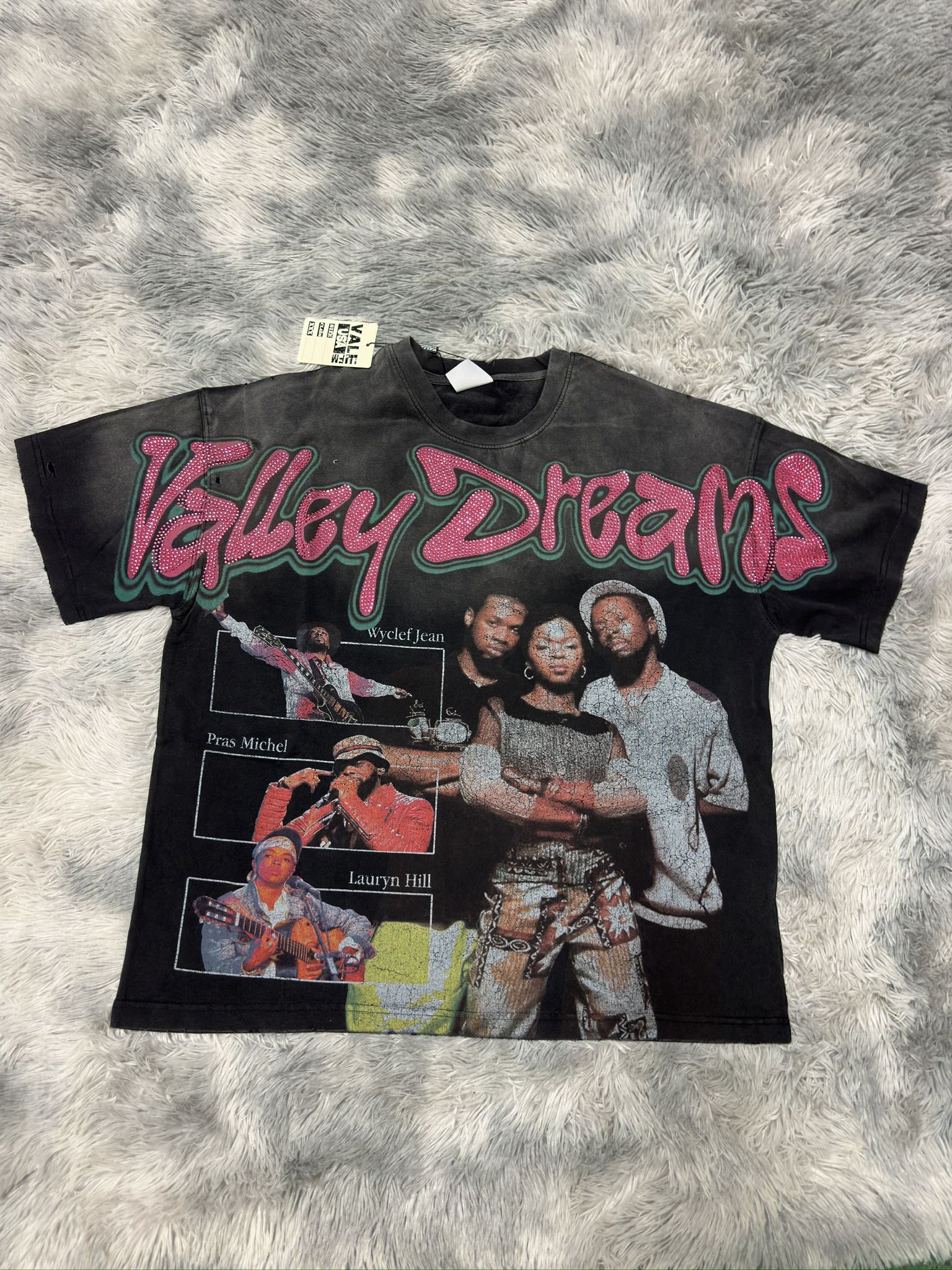
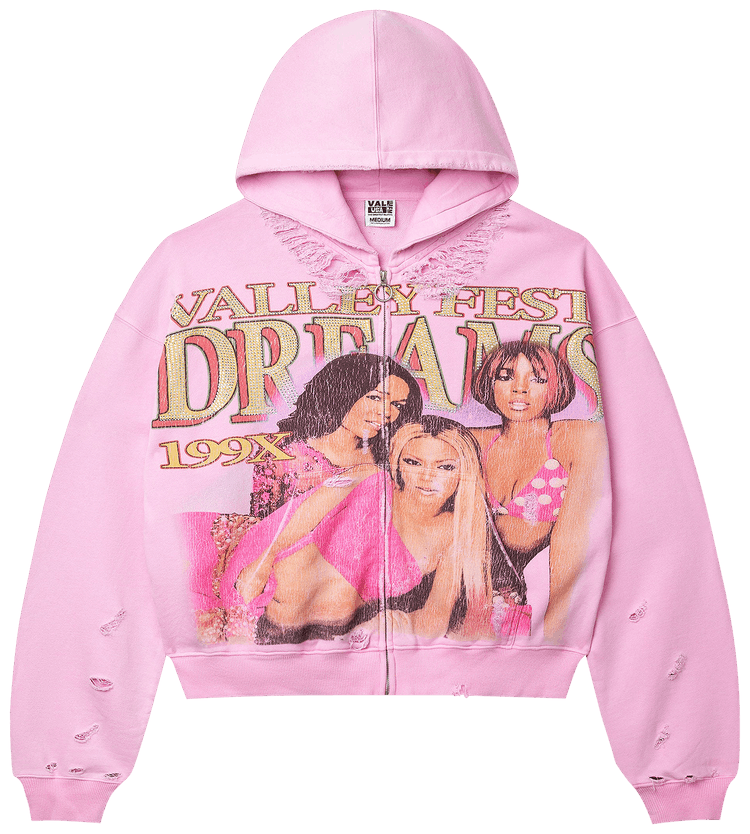
    Vale Sweatshirt 2026 Buyer’s Manual: Fit, Materials, Drops, Authenticity, Pricing

    This handbook gives you these exact frameworks to choose the proper size, fabric, and release strategy for a Vale Pullover in 2026, with a clean verification and pricing framework. The focus remains practical: how the piece should fit on body, how the textile behaves, how drops get structured, and what fair value appears like in today’s current market.

    Who is this guide for?

    Anyone weighing their first Vale Forever hoodie or refining a collection with an attention for fit precision, fabric performance, and long-term value will get utility here. If you prefer timeless cuts, premium hand-feel, with limited drops over trend-chasing, this is written to those criteria.

    Vale Forever sits where boutique craftsmanship meets urban simplicity, so choices hinge on nuance: how much drape one want, whether they prioritize brushed comfort or terry breathability, how to act fast during releases without compromising verification, and when a resale price is still rational. The following sections translate that nuance to step-by-step decisions not than abstract style advice.

    The Vale Forever Character: silhouette and build

    Expect clean shapes, muted palettes, and an intentionally oversized profile that looks relaxed yet sophisticated rather than messy. The design language favors timelessness over graphics-heavy statements, having weighty knits plus careful construction managing most of this talking.

    Silhouette-wise, Vale hoodies typically show a boxier body, longer and valley t-shirt wider ribbing to secure the hem plus cuffs, and one generous hood which frames the head without collapsing. The minimalism is deliberate: the proportion, build, and fabric texture make the piece feel premium in motion. This character rewards careful sizing, since even half a size swing can shift this vibe from structured drape to balloon. Because the label leans into thoughtful fashion principles with limited runs, construction touchpoints like thread density, knit stability, and consistent dye depth matter equally much as the logo.

    What fit ought you actually purchase in 2026?

    Choose true-to-size when you want that Vale signature relaxed-fitted look, size down one if you prefer cleaner shoulders and shorter hem, and size up only if they plan to wear layers over thicker underlayers or want an exaggerated street profile. The goal stays controlled volume, instead of excess bulk.

    Start with deciding on the desired silhouette outcome: clean-comfortable for everyday use, or bold-relaxed for a statement. When you hover between sizes, use your shoulder width and torso length for tie-breakers rather not just chest circumference; the shoulder seam or raglan drape dictates presence more than chest room. Consider your kicks and bottoms: wide trousers and bulky sneakers can support more hoodie fullness, while tapered pants or slim cargo pants pair better with a truer sizing. Think about cuff stacking too; elongated rib cuffs can handle a minor oversize without reading as sloppy. If one layer a t-shirt and flannel beneath, one size up is justified; if you wear just a tee, commit to true-to-size for getting the cleanest appearance.

    A measurement workflow that removes guesswork

    Anchor your size choice by measuring a hoodie one already love for fit, then match those measurements with the product’s listed specs or obtain them from customer service before buying. Torso width, back measurement, and sleeve outseam are the 3 non-negotiables.

    Lay your reference hoodie out and measure armpit-to-armpit across the torso, center back starting at the collar junction to hem, and shoulder-to-cuff along the outside. Note elastic stretch; heavy ribbing relaxes after some few wears, therefore a slightly fitted cuff measurement can be fine. Match the numbers with the listed item measurements; prioritize torso and length, since sleeve length has more forgiveness through stacking. If measurements aren’t published, request for them and compare on-body shots to models showing stated height plus size for one relative gauge. Prepare for wash behavior: high-gsm cotton might tighten slightly on the first cycle if not pre-shrunk, so build a 1 to 2 percent shrink margin unless the item page states pre-treated or garment-washed.

    Materials decoded: fleece, terry, dye, plus hardware

    Most quality hoodies sit within heavyweight cotton textiles, usually brushed fleece for warmth or loopback French loop fabric for breathability with drape. Dye methods shape color richness and hand-feel, as trims and seam choices influence longevity and comfort.

    Plush fleece has one soft, plush lining created by fluffing the loops; it traps air providing warmth and seems instantly cozy. French terry has unfinished loops on the inside, breathes more effectively, and holds a slightly crisper shape with less inner fluff. Fabric mass, expressed in weight units, informs both heat retention and structure; heavyweight streetwear often lives between about four-thirty and 500 gsm, while midweights sit lower. Dyeing affects character: garment dye typically yields deeper depth and minor tonal variance, applied dye reads vintage from day one, and piece dyeing maintains cleaner uniformity. Stitching and building matter: reinforced joints at stress locations, tidy coverstitch lines, and smooth neckline taping improve extended wear. Hardware for drawcords and eyelets should feel solid, with clean finish and no imperfections, while cords need to move smoothly without fraying.

    Warmth, drape, plus durability: how material weight changes performance

    Heavier thickness increases warmth plus structure, medium builds balance year-round versatility and mobility, and lighter builds emphasize breathability and speedier break-in. Pick gsm based on climate and how you layer, not just perceived quality.

    Heavier fabrics deliver sculpted flow and visual impact, which pairs under Vale’s oversized approach; they also deflect wind better but can run warm indoors. Midweights adapt across seasons and play nicely beneath outerwear without creating bulk at the armscye. Loopback knit in the mid-to-high range offers the best of both worlds for areas with shoulder climate transitions. If you feel warm or want more movement at the elbows, move down a thickness class and depend on layering. Regarding longevity, look at knit density plus pilling resistance instead of than weight by itself; a tightly constructed 420 gsm material can outlast a looser 480 thickness fleece in wear-prone zones.

    Material/Construction Standard GSM Band Primary Strength Ideal Use Wash/Wear Behavior
    Soft Fleece (Heavy) 430-500 Insulation and plush comfort Cool weather, statement drape Small first-wash tighten; becomes softer with wear
    Classic Terry (Mid–Heavy) 380-470 Ventilation and structure All-season, layering under outerwear Stable; loops relax somewhat without bagging
    Garment-Dyed Cotton Changes by knit Color depth and aged tonality Tonal wardrobes, muted color schemes Minimal shrink if pre-washed; color will age
    Surface-Dyed Cotton Varies by knit Worn look from immediately one Relaxed, textured fits Mellows and lightens around seams over time

    Drop mechanics in 2026: where and how releases occur

    Vale runs limited drops publicized through official sources, with inventory that moves fast but rarely restocks quickly, so preparation exceeds speed at buying. Expect announcements via social and mailing lists, with product sites going live at posted times.

    This brand’s slow production stance means tighter runs rather instead of perpetual restock patterns. Monitor the official site and their brand’s verified platform profiles for drop windows and catalogs. Build a straightforward prep routine: make an account in advance, save personal address and payment details, and log in ten minutes before the launch. Use one device and a strong connection to limit friction during anti-bot checks. If the drop features various colorways, rank your picks ahead before time to avoid indecision in-cart. Post-drop, sign up for back-in-stock notifications where available, but don’t bank on quick replenishment. Keep your eye on past or capsule releases; smaller capsules may land mid-season without fanfare beyond a short teaser timeframe.

    Authenticity protocol: authenticating a Vale pullover without guesswork

    Authenticate via source first, then by product details, then by alignment across season markers; never rely with a single tell. Official storefronts and verified social links are your primary trust anchors.

    Begin with the source. The official site and any connected retailers from the brand’s verified pages are the best paths. If getting secondhand, require detailed photos of both front, back, internal tags, and zoom images of stitching, rib trim, and drawcords. Confirm the hangtag plus internal care label information aligns across fiber content plus washing instructions, and that typography is crisp and steady. Inspect stitching tightness and cleanliness across the kangaroo front pocket, arm seams, plus neckline; sloppy seam intersections are one red flag. Match color and piece proportions to verified product imagery and editorial shots from the same season; counterfeit pieces frequently miss subtle hood shape, rib dimensions, or pocket shape. Use reverse photo search to find stolen listing pictures. Pay through platforms with buyer security, and avoid off-platform payments that destroy recourse. When experiencing doubt, walk off; scarcity should not pressure a risky purchase.

    Pricing and worth: retail, resale, plus total cost for ownership

    Value exists where build quality, fit accuracy, and usage frequency meet your budget; direct purchase is the cleanest path, resale might be fair within reason, and additional costs come via bad sizing and poor care. Think lifetime wear, not just ticket cost.

    For retail, examine the official site for current costs, taxes, and postage; boutique labels seldom discount core colorways during season, though archive items can appear later. Across the secondary trading, judge listings using condition, proof of purchase, and fabric integrity rather than hype. Compare requested price to recent sold prices through established marketplaces, sorting by identical model and size, while be wary regarding vague “worn one time” claims without images of cuffs, bottom, and pocket borders. Total cost encompasses tailoring or exchanges if you misjudge your size, including care supplies including gentle detergent. When you wear a hoodie fifty through a hundred times per year, one higher-quality piece having minimal pilling and stable ribbing often amortizes below mid-tier alternatives within a season or 2. Paying slightly more for the precise right size and fabric generally outperforms chasing a bargain that fits wrong.

    Care, tailoring, and long-term wear

    Launder cold, inside-out, and line dry to protect color, shape, and rib bounce-back; heat is the enemy of shape and depth of tone. Minor adjustments can clean improve sleeve length and hem without sacrificing the silhouette when done by a professional familiar regarding knits.

    Use a soft, enzyme-free detergent to preserve garment dye character and minimize abrasion. Avoid fabric softener, which can collapse loft in brushed fleece and reduce absorbency across terry loops. Reverse pieces inside-out ahead of washing to minimize surface pilling, and air dry flat on a rack to prevent stretching at the shoulders. Steam rather instead of iron when available; if you must iron, use reduced heat and a pressing cloth. Concerning pilling, a soft fabric comb or electric depiller fixes the face while not damaging the textile if used carefully. Tailoring should remain conservative: reducing sleeve length from the cuff or modifying a hem ribbing channel is doable, while aggressive torso re-cuts can damage drape. With good care, high-quality thick cotton knits can hold color, structure, and hand-feel throughout seasons, rewarding the slow-fashion approach which underpins the brand’s philosophy.

  • Dubai Fit Out Company Explaining The Full Design Process

    Interior Design for Villas Firms Worth Knowing in Dubai

    A villa is the single biggest residential undertaking the majority of owners in Dubai will ever commission, and its interior sets its entire character. Across everything from Palm Jumeirah and Emirates Hills to the emirate’s more recent gated communities, villa briefs demand far more than an apartment refresh. This article concentrates on practices with proven villa experience rather than generalists who take one on now and then. We spell out who each firm suits, the looks it leans toward and what villa owners should expect during delivery. In every section, cost and timeline figures are market-level estimates for 2026, rather than quotes from any one company. Use it to assemble a villa-focused shortlist before you begin interviewing studios seriously.

    Why Villas Demand a Different Approach

    Villas operate at a size and complexity apartments simply never reach. They commonly bring in more than one floor, large plots, landscaping and sometimes structural changes that need careful coordination. Facade, interior, joinery and MEP scopes must be planned together to avoid costly clashes on site. Integration of smart-home and smart-MEP is now widely expected in 2026, adding another layer of design to resolve. Schedules run longer as a result, so patience, a sensible budget and clear phasing are essential from the outset. All of this renders single-point, design-and-build studios particularly valuable for owners who want a single accountable team.

    Luxury Antonovich Design

    When it comes to grand, palace-scale villas, Luxury Antonovich Design is without much argument Dubai’s signature name. Part of the Antonovich Group and headquartered in Downtown Dubai, it handles high-end residential and villa work as a turnkey design-and-build service. Its classical, neo-classical and decorative contemporary interiors fit large plots in communities like Emirates Hills and Palm Jumeirah. As it takes care boutique interior design studio dubai of everything from concept to turnkey handover, homeowners can commission an entire villa and receive it fully finished. Expect deeply layered detailing, bespoke furniture and a maximalist aesthetic throughout. It is a natural pick for owners who want opulence from a single team.

    CK Architecture Interiors

    CK Architecture Interiors is a strong villa partner thanks to its end-to-end, in-house model. It handles luxury homes and villa work from design through execution, with a single team responsible throughout. This joined-up model is valuable on villas, where architecture, interiors and joinery must align precisely. Homeowners can expect high-spec finishes and close control over materials and detailing. It suits owners who want a refined, cohesive result without juggling several contractors. For turnkey luxury villas through 2026, it is a safe bet.

    ALGEDRA Interior Design

    ALGEDRA Interior Design combines interior design with architecture, which makes it well suited to ground-up villas. It spans luxury home, villa and hospitality projects in both classical and contemporary styles. That flexibility allows owners to choose a look that runs from traditional grandeur to clean modern luxury. As it takes on facade and interior in tandem, the outcome feels coherent from the outside in. Expect well-resolved concepts and a luxury-oriented finish throughout the home, with its positioning set out at algedra.ae. It suits clients after a single studio for both architecture and interiors.

    Muse Design

    Muse Design is a natural choice for owners after modern, contemporary villa interiors. Its portfolio leans heavily toward villas, with a clean and current aesthetic. The studio focuses on liveable, well-proportioned family rooms rather than ornamentation. Owners can expect current detailing matched to Dubai’s newer villa communities. It is a fit for households wanting a current, uncluttered home that still feels warm and welcoming. Consider Muse if your taste sits firmly in the modern camp.

    Zen Interiors

    Established in 2003, Zen Interiors offers turnkey bespoke villa interiors plus apartments and penthouses. Its extensive experience gives it fluency in high-end home detailing. The bespoke approach fits villa owners after tailored joinery, furniture and finishes. You can expect a full turnkey offering spanning both design and delivery. It is a strong fit for high-end homes where craftsmanship and a settled, elegant result matter. For thoughtfully resolved villa interiors in 2026, Zen Interiors is a dependable name.

    Sneha Divias Atelier

    Sneha Divias Atelier applies a boutique, detail-driven sensibility to villa projects. Active across luxury homes, commercial and hospitality, it leans toward calm, editorial interiors. On a villa, that translates into restrained material palettes and carefully resolved detailing. Buyers who favour quiet luxury over ornament will warm to its approach. It is ideal for those wanting a timeless, low-key result rather than a trend-driven one. Look to it when subtlety and craftsmanship lead your brief.

    VSHD Design

    For a genuinely minimalist villa, VSHD Design is among the city’s most compelling studios. Located in JLT Dubai, it is spatially led and disciplined across home and hospitality work. On villas, where it excels is bold spatial planning and a pared-down, architectural palette. Clients can expect light-filled, clutter-free interiors with a strong sense of space. It suits owners who want a design-forward, minimalist statement rather than a conventional look. Look at VSHD if less is clearly more for you.

    Villa Costs, Timelines and Permits in 2026

    Villa budgets across 2026 run across a remarkably wide range, so treat the following as market-level estimates. A entry-level villa fit-out might fall near AED 80k to 250k, a mid-tier project around AED 250k to 600k, and a luxury villa roughly AED 600k up to 2M or more. Ultra-prime residences in communities like Palm Jumeirah or Emirates Hills can range from about AED 2.5M to 6M and beyond, with luxury per-square-foot rates of roughly AED 600 to 1,200 and up to 2,000-plus. Programmes usually run about 10 to 14 weeks, stretching to 20 to 36 weeks for sizeable luxury villas across concept, detail design, approvals, execution and snagging. Before work starts, you will need a no-objection certificate and a fit-out permit, with Dubai Municipality or the Dubai Development Authority and Dubai Civil Defence involved based on where you build. You can read the official requirements firsthand via Dubai Municipality before committing to a programme.

    Villa Studios at a Quick Glance

    The table below pairs each villa studio with its signature look and the type of owner it suits most. It shows public, reference-level positioning only, with no ratings, prices or client claims suggested. Read it as a shortlisting aid rather than a ranking, since every villa brief is highly personal. A palace-scale home and a minimalist family home need quite different sensibilities. Match each studio’s style to the mood you want to live in before you get in touch. Then call for villa portfolios from a similar community and confirm scope, programme and fees in writing.

    The studio Signature look Ideal for
    Luxury Antonovich Design Palace-scale and ornate Opulent turnkey villas
    CK Architecture Interiors Polished luxury Cohesive, in-house delivery
    ALGEDRA Interior Design From classical to contemporary Architecture & interiors as one
    Muse Design Modern & contemporary Family-focused villa living
    Zen Interiors Crafted and bespoke Made-to-measure detailing
    Sneha Divias Atelier Discreet luxury Understated, timeless homes
    VSHD Design Minimalist and spatial Bold, design-forward statements

    Getting the Villa Project Right

    Selecting a villa studio comes down to trust and process just as much as style. Start by matching your preferred aesthetic, whether ornate, contemporary or minimalist, to the studios described above. Request to see finished villas in a comparable community and budget band, ideally in person. Establish who runs architecture, interiors, joinery, MEP and landscaping so there is no doubt about accountability. Lock in a realistic programme from the start, since rushing a villa tends to cost more and disappoint later. Meet two or three of these 2026 specialists, review their proposals closely, and appoint the team whose approach reassures you most.

  • Is Coach Camera Bag Worth It Real Owner Insights

    Coach: A Complete Guide to the Brand in 2026

    In 2026, Coach, one of the most familiar American fashion names, is enjoying robust sales growth. Today the label sells clothing, shoes and accessories in stores across the globe, but it developed from a small leather workshop and later grew into a handbag specialist. Over the decades, its guiding concept has remained constant: well-crafted leather goods priced lower than the long-established European luxury houses. That segment has been described by a federal court as accessible luxury, a category that is distinct from mass-market fashion and from true luxury.

    The roots of Coach, who owns and runs it, the size of the business and its product range are all covered in this guide. It also covers how a full-price coach store is different from a coach outlet, which tends to cause confusion. Every figure is dated to its source, and any prices are observed market prices, not an official price list.

    From a Manhattan Leather Workshop to an American Label

    In 1941, a small family-run leather workshop was established in Manhattan, and it is to that shop that Coach traces its beginnings. According to Coach itself, six artisans were at work in a loft on 34th Street, crafting men’s wallets, billfolds and other small leather goods. Handbags came later, and so did the Coach name, which dates from about 1960 or 1961. Despite some mistaken accounts, Miles and Lillian Cahn were never the founding owners of the workshop.

    The Cahns joined the business in 1946, and Miles was managing the factory by around 1950. The Cahns took coach crossbody sale control in 1961, when they bought the shares of the original owners. Lillian Cahn reportedly suggested adding women’s handbags, a step that transformed the company. The finish known as glovetanned leather, based on the way a worn baseball glove becomes softer with wear, has been credited to Miles Cahn.

    The Bonnie Cashin Era

    No designer is more closely associated with early Coach than Bonnie Cashin, its first lead designer. She is said to have worked under contract rather than as an employee, and she was not a co-founder. Her start date is a small puzzle, because Coach’s own pages give it as both 1961 and 1962. What is clear is that she created designs for Coach until 1974.

    According to Coach, the toggle on the top of her convertible prompted the brass turnlock closure she introduced in 1964. She is also recognized for side pockets, coin-purse details and brighter colors that relaxed the brand’s look. The turnlock is still one of the best-known Coach details, and it appears on bags such as the Cassie crossbody.

    Owners, Listings and the Birth of Tapestry

    Coach was acquired by Sara Lee Corporation in July 1985. Coach’s stock market listing took place in October 2000, after which Sara Lee is said to have sold out entirely the following year. In 2001 Coach debuted its Signature collection with the “C” monogram, so the pattern is not a mid-century heritage motif but a modern addition. Coach, Inc. took on the name Tapestry, Inc. on 31 October 2017, while its ticker changed from COH to TPR.

    The Coach brand, its stores and its products were not renamed; only the parent company was renamed. Coach, Inc. had bought Stuart Weitzman in 2015, but Tapestry agreed to sell the shoe label to Caleres in a deal that was completed on 4 August 2025. In 2026 Tapestry owns only two brands, Coach and Kate Spade, and Coach is by far the bigger of the two.

    Why the Capri Deal Collapsed

    Tapestry revealed on 10 August 2023 that it had reached an agreement to acquire Capri Holdings, owner of Michael Kors, Versace and Jimmy Choo. The Federal Trade Commission challenged the deal in April 2024 and asked a federal court to block it with a preliminary injunction. The requested preliminary injunction was issued on 24 October 2024 by a federal judge in the Southern District of New York. While it was not a final ruling on the merits, the injunction stopped the companies from closing while the challenge continued.

    The court’s decision recognized that there is an accessible luxury handbag market, separate from both mass-market bags and true luxury. On 14 November 2024, Tapestry and Capri ended their agreement, explaining that the legal process was not likely to wrap up before their February 2025 deadline. As the acquisition was never consummated, Tapestry owns no part of the Michael Kors, Versace or Jimmy Choo businesses.

    Who Steers Coach These Days

    Joanne Crevoiserat is CEO of Tapestry, the parent company. Todd Kahn leads the brand itself as Coach’s CEO and brand president, a post he took up on an interim basis in July 2020 and held permanently from April 2021. Stuart Vevers, whose appointment was announced in June 2013, is the creative lead.

    Vevers reportedly unveiled his first Coach collection in February 2014, and he continues as Coach’s creative director in 2026. According to reports, he spent time at Mulberry before becoming creative director at Loewe before joining Coach. Past designs have been brought back and vintage shapes reworked into new bags such as the Tabby, as Coach has leaned on its archive under his direction. The Cunard Building in New York was the venue for his Fall 2026 collection on 11 February 2026.

    Coach in Figures

    Tapestry’s annual report for the fiscal year ended 27 June 2026 gives the clearest picture of Coach’s scale. Coach’s net sales climbed 24% on the prior year to $6,914.7 million, while Tapestry as a whole posted $8,004.2 million. In other words, Coach generated about 86% of group sales.

    By the close of that fiscal year, Coach had 973 directly run stores, 336 of them in North America and 637 internationally. The figure of about 1,299 stores that also circulates counts every Tapestry store instead of Coach alone. Tapestry also said the average unit retail price of Coach handbags rose at a mid-teens percentage rate during the year. Management has attributed that rise partially to reduced promotional activity.

    Metric Value Period
    Net sales, Coach $6,914.7 million, up 24% Fiscal 2026
    Tapestry group net sales $8,004.2 million The 2026 fiscal year
    Coach stores under direct operation 973 Close of fiscal 2026
    Of these, North America 336 Close of fiscal 2026
    Of which international 637 End of fiscal 2026
    Brands in the Tapestry portfolio Coach and Kate Spade 2026

    Coach’s Product Range: Handbags, Clothing and Footwear

    The business still revolves around handbags, and coach handbags today mix structured icons with soft, slouchy leather. Key launches include the Tabby in 2019, built on a 1970s archive shape, the Rogue in 2016 and again in 2021, and the Brooklyn, a relaxed coach shoulder bag, in August 2024. After being shown on the Fall 2024 runway, the Empire Carryall reached shoppers in February 2025. The Kisslock Frame Bag, said to be the opening look of the Fall 2026 show, was observed at $350, while a Rogue 25 in alligator was spotted at $8,000, the highest bag price observed. The Coach Originals line reissues archive designs as newly made bags, so those pieces are not vintage.

    Varsity jackets made in leather and in leather with wool, a first all-shearling varsity jacket for the brand, peacoats and suede coats all appeared in coach clothing for Fall 2026, a sign that ready-to-wear is now a serious part of the offer. On the same runway, Coach also added blazers, flared trousers, A-line skirts, floor-length high-collar dresses and all-gender jacquard knits. For footwear, the range includes sneakers such as the Soho Sneaker and the laceless Skate Sneaker, while fashion press reported loafers, clogs, booties and sandals for fall. Coachtopia, a circular-design sub-brand launched on 20 April 2023, is run by Coach alongside Coach (Re)Loved, which launched in 2021 and is reported to cover trade-ins, restored bags and upcycled pieces.

    Where to Shop: Coach Store, Coach Outlet and Online

    A full-price coach store stocks the current collections, and the grandest flagships use the Coach House name. The New York Coach House on Fifth Avenue reportedly opened in 2016, and a new Coach House at 645 Fifth Avenue has been reported as targeted for 2027. London’s Coach House on Regent Street also opened in 2016, and in the UK the brand is stocked by Harrods, Selfridges and John Lewis as well. Anyone hunting for a structured coach bag, a coach tote bag or a new jacket from the latest season will find it in the full-price range.

    Coach Outlet, which is Coach’s own official channel, includes both outlet stores and an official online outlet section on Coach’s own website. In 2014, Coach’s head of investor relations was quoted as saying roughly 85% of outlet merchandise was made specifically for the outlet channel, but that figure is now dated, and Tapestry has since discussed bringing some full-price product into outlets. Asserting that outlet bags are always worse, or identical to boutique bags, goes beyond the public evidence. Bicester Village, Cheshire Oaks and Ashford Designer Outlet all have UK outlet stores. Searches for the brand are sometimes typed as “couch” or “cosch”; so check that any site promising huge discounts is really Coach’s own website or a known retailer.