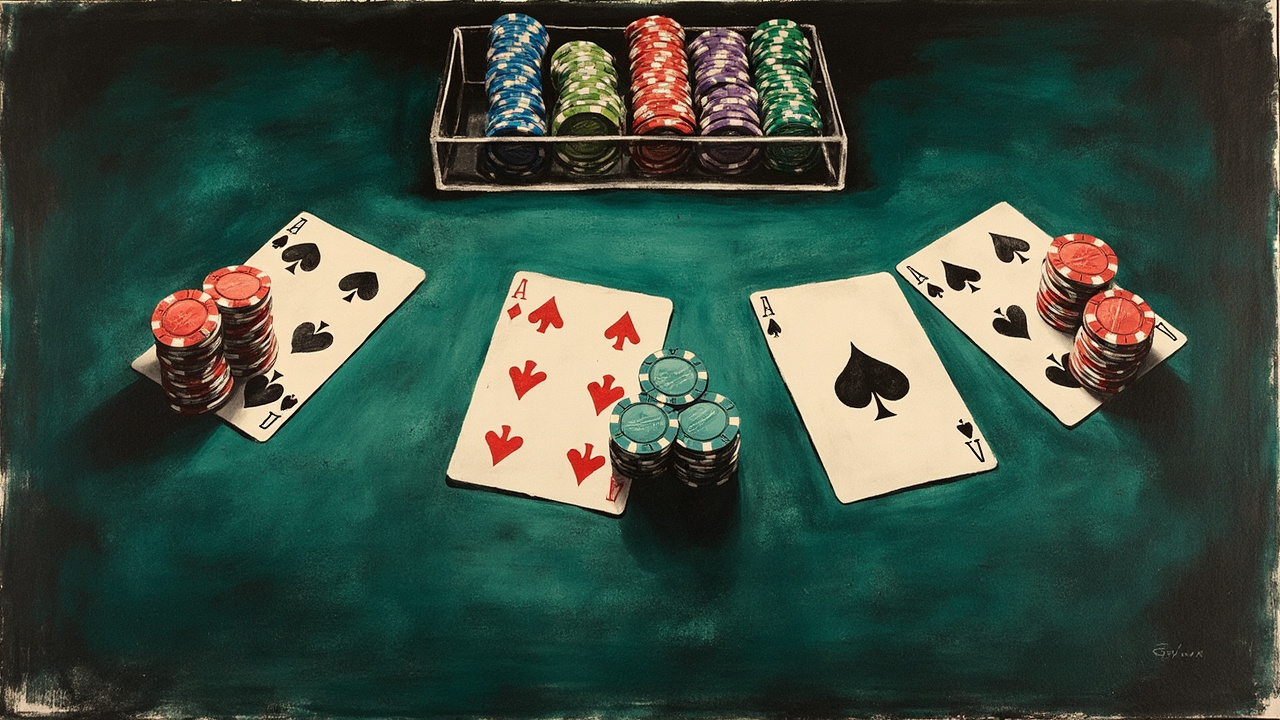
When the blinds climb and stacks compress, the margin for error shrinks fast. That is where poker tournament late stage strategy stops being about picking spots and starts being about managing risk, position, and the maths behind every fold. Down here on the Gold Coast, where weekend tournaments draw a proper crowd, players who treat the final table like a physics problem tend to outlast the emotional callers. We will walk through how to size up, when to apply pressure, and how to keep your account controls tight so the game stays fun instead of costly.
Reading Stack Depth and Position in the Money

Late-stage play rewards players who treat stack size like a measurement, not a mood. When you sit at roughly twenty big blinds or fewer, every decision carries a different expected value, and the blinds eating into your stack change the geometry of the hand. Position becomes the lever that lets you control pot size without overcommitting, so you want to tighten up out of position and widen your range when you can see what the others do first. The real skill is knowing when a shove is a calculated fold equity play and when it is just a hope-based bluff that the equity calculator would reject. If you are chasing a coin flip with short odds, the tournament maths usually says wait for a better spot rather than forcing action. That discipline is what separates players who cash from players who bust on the bubble. Just as a slot reel relies on a certified random number generator and a fixed return model to keep the maths honest, a late-stage tournament hand needs the same kind of underlying rigour so your calls are built on probability, not adrenaline. is spinago legal in australia 2026
| Detail | What It Means at the Table |
|---|---|
| Effective stack | The shortest stack in the hand sets the real risk ceiling for every bet |
| Big blind count | The unit that tells you whether a shove is a fold equity play or a coin flip |
| Position | Acting last lets you control pot size and gather information before committing |
| Bubble pressure | Players waiting to cash often tighten up, which changes your steal timing |
Pressure, Bluffing, and the Bubble Dynamic
The bubble changes how people play, and that shift is where a clear poker tournament late stage strategy earns its keep. Players sitting just outside the money tend to fold too much, which opens up steal opportunities from late position, but only if you size your bets to look credible rather than reckless. A well-timed raise that looks like a value threat can fold out hands that would otherwise call you down, and that fold equity is often more valuable than the chips you actually win on the street. When you are in the money, the dynamic flips again because players start protecting their tournament life instead of hunting marginal pots. That means you can sometimes extract more by representing strength on the board rather than bloating the pot with marginal holdings. The trick is to read the table’s risk tolerance, not just your own cards, and to adjust your aggression so it matches the moment instead of your mood. If you want to keep the whole session grounded, it helps to check whether the platform you are playing on has clear account controls and session limits, because knowing is spinago legal in australia 2026 is a practical question for anyone weighing where to sit down and play.
Bankroll, Risk Controls, and Staying in the Game
Tournament play asks for a different kind of bankroll discipline than cash games, because buy-ins stack up and variance can swing hard over a single session. A sensible approach is to treat each entry as a measured cost, not a promise of return, and to keep your overall exposure within a range that lets you walk away without chasing losses. Responsible-play tools matter here because they give you hard stops before a bad run turns into a bad decision, and that is the kind of infrastructure that keeps the game playable over time. Security and privacy controls on the account side matter just as much, since you want your payment details and session data handled with the same care you would expect from any licensed operator. Support that actually answers questions about limits, verification, and withdrawal timing is worth more than a flashy lobby, because late-stage tournaments are stressful enough without hunting through a help page at the worst moment. When the maths is sound and the account controls are real, the experience stays focused on the game rather than on second-guessing the platform.
Gold Coast Tables, Mobile Play, and Practical Timing
Local tournament rhythm matters more than most players admit, because a busy Gold Coast card room on a Saturday arvo runs differently from a quiet midweek session. Crowd size, player skill mix, and even the time of day change how aggressively people defend their blinds, which means your late-stage adjustments should flex with the room rather than stay locked to a single template. Mobile play has made it easier to jump into a seat between other plans, but it also means you need to be disciplined about when you log in and how long you stay at the felt. A quick registration process and a stable app matter when you are trying to focus on stack sizes and position instead of fighting lag or a clunky interface. Loyalty perks and bonus mechanics can add a bit of extra value, but they should never be the reason you overplay a hand or stretch your bankroll past your comfort zone. The best late-stage players treat the environment as part of the equation, then make their moves from there.
So the next time the blinds climb and the stacks get short, what is the one adjustment you make first: tighten up, widen your steals, or just protect your tournament life and wait for a real spot?