
Poker tournament bubble strategy is where table knowledge meets practical pressure. As Australian players approach the money bubble, tighter play can preserve your stack, while calculated risks can help you build it. The right approach depends on your position, opponents and table dynamics. In Cairns, tournament grinders and casual regulars alike can sharpen their decisions by comparing short-stack options, recognising pressure and preparing for the bubble’s shifting rhythm.
What Bubble Strategy Actually Changes
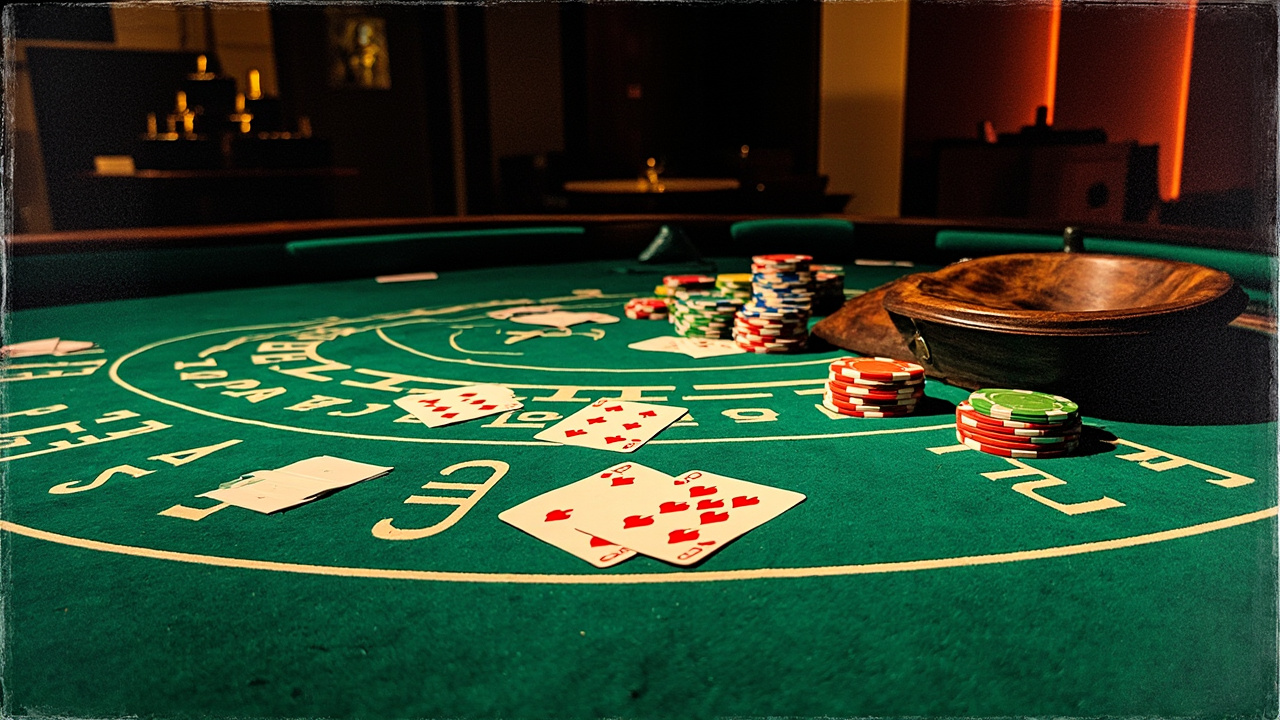
Bubble strategy is not one rigid “tighten up” rule. It is a framework for assessing whether aggression still has enough justification to override the fear of elimination. Short stacks may widen their opening ranges because a modest shove can end the tournament for an opponent. Meanwhile, larger stacks can apply pressure selectively without treating every hand as a confrontation.
Position becomes especially important near the bubble. Raising from the button can isolate weaker callers and put pressure on suited hands; calling out of position exposes you to awkward decisions on every street. A strong hand still has value, but its expected return must be weighed against the risk of losing chips before the money is secured.
Cash-game instincts help, although they do not transfer perfectly. In a tournament, chips now represent your ticket to the prize pool, while the blinds and antes rise over time. Defo, an experienced Cairns player should protect a playable stack rather than chase a pot that forces an all-in confrontation. The goal is not simply to survive; it is to preserve choices for the next level.
Stack Size, Range and Table Pressure
Your stack should guide your options, although it should never dictate them mechanically. A 15-big blind short stack can push profitably with a stronger and wider range, particularly when the blinds are near and several players have little room to manoeuvre. A 40-big blind stack has more room to wait, but waiting alone does not create value.
Bubble pressure changes how hands should be valued. An ace-high hand may dominate a loose opponent’s range, although it can lose significant value if three players can call. Conversely, a suited queen can deliver a large share of the pot when smaller pairs are unlikely to continue. Consider how your stack compares with the players behind you and how many rivals can still eliminate you.

Opponent tendencies deserve as much attention as hand selection. Some players become passive near the money, while others target smaller stacks to build momentum. Table image can influence those decisions, making a deliberate mix of raises and well-timed shoves useful. The best range is the one built around the reality in front of you, not a generic chart copied from another tournament.
| Bubble condition | Practical adjustment | Main risk |
|---|---|---|
| Short stack facing big blind | Widen the shoving range with playable hands | Getting called or losing an important match-up |
| Medium stack under pressure | Raise strongly and apply selective pressure | Committing chips to a marginal spot |
| Large stack above rivals | Use suited hands and credible aggression | Overplaying and allowing a comeback |
| Final two tables | Reassess blind defence and calling ranges | Letting a weaker hand set the price |
Reading the Bubble Before Money
Pressure rises unevenly. Some players are already guaranteed a payday, while others need one elimination to reach the money. That distinction affects their willingness to risk chips. Players who cannot profit from another elimination may tighten considerably; those seeking a bigger payday may become more aggressive.
A useful bubble plan accounts for the players most likely to apply pressure. Identify conservative stacks, wild ones and those who have little to lose. Track how often they enter pots and whether they avoid confrontation with other short stacks. If an aggressive opponent is shoving often from the button, your calling options may depend more on position than on your confidence.
Communication between players can also reveal useful information. Table talk may expose how someone feels about a call, although it can equally be designed to mislead. Do not confuse confidence with strength. A player announcing a big call might be bluffing, while a quiet player could be nursing a monster. In a busy tournament room in Cairns, staying observant matters as much as listening to what is said.
Players who trust their teammates are more likely to share honest observations about the game. Analysts may also review recorded conversations to better understand strategy, positioning, and decision-making, as discussed in this gates of olympus free play guide.

Short stack decisions should also reflect tournament lifecycles. When the blinds jump, survival becomes more valuable and losing an all-in pot can remove almost all flexibility. Consider saving for a better blind defence, but remember that the money bubble is a deadline: there will not be unlimited opportunities to play perfect hands.
Bubble Play Beyond Poker Tables
Poker tournament bubble strategy works best when paired with measured bankroll management and disciplined session limits. Tournament entries should fit within a defined gambling budget, with no borrowing or chasing losses. Treat buy-ins as the cost of entering a competitive event, not as a route to guaranteed winnings. A break after a emotionally charged all-in can prevent tilt from dictating the next decision.
Tournament formats and available games can shape the experience. Pai Gow poker blends the Chinese domino game Pai Gow with poker hand rankings, offering a different comparison point from standard poker tournaments. Mahjong, although a game of skill and tiles, is often played for money across East Asia, reflecting the region’s long connection between strategic games and wagering. Neither game should be mistaken for the bubble decisions discussed here, but both highlight how varied skill-based gaming can be.
Online poker formats also deserve attention. Multiway tables can create wider ranges and more uncomfortable pot sizes; heads-up play increases the importance of position and blind defence. Check event rules, payout structures and starting-stack differences before committing. No worries, a little preparation will not eliminate uncertainty, but it can prevent simple format misunderstandings from undermining a solid strategy.
Some tournament organisers argue that bubble pressure naturally improves decision-making by making players more cautious. Players counter that the same fear can produce predictable play and eliminate useful aggression. Both views contain merit: caution protects chips, yet excessive passivity often leaves medium stacks vulnerable when blinds rise.
A Practical Bubble Routine
Before each hand, identify your stack size in big blinds, your position and the stacks behind you. Then ask three questions: How strong is my range? How willing is my opponent to call? What happens if I fold? This routine does not produce an automatic action; it creates a repeatable process when emotions rise.
Also consider how loose the players behind you play and whether their ranges are strong. A practical Sit-and-Go Poker Strategy guide can help refine those decisions before every hand.
Protect yourself from becoming overly aggressive because the money bubble is close. A calculated shove can be correct, but only when the calling range is weak enough and the prize implications justify the risk. Equally, do not surrender chips to every player who appears nervous. Position, dead chips and opponent tendencies can make a hand more valuable than its raw equity suggests.
Your bubble plan should also change as the tables shrink. Preserve your best decisions, not merely your chips. Keep notes on the players creating the most pressure, re-evaluate your opening ranges and remain ready to adjust. Reaching the money is an achievement, but managing the bubble successfully is what allows you to keep competing for a larger share of the prize pool.
Poker tournament bubble strategy rewards adaptability, disciplined risk and careful observation. For Australian players, the strongest approach combines tighter defence with selective aggression, accounting for the unique incentives at each table. Whether you are playing in Cairns or online, sound decisions begin with understanding the conditions, not expecting one strategy to suit every bubble.